 Save
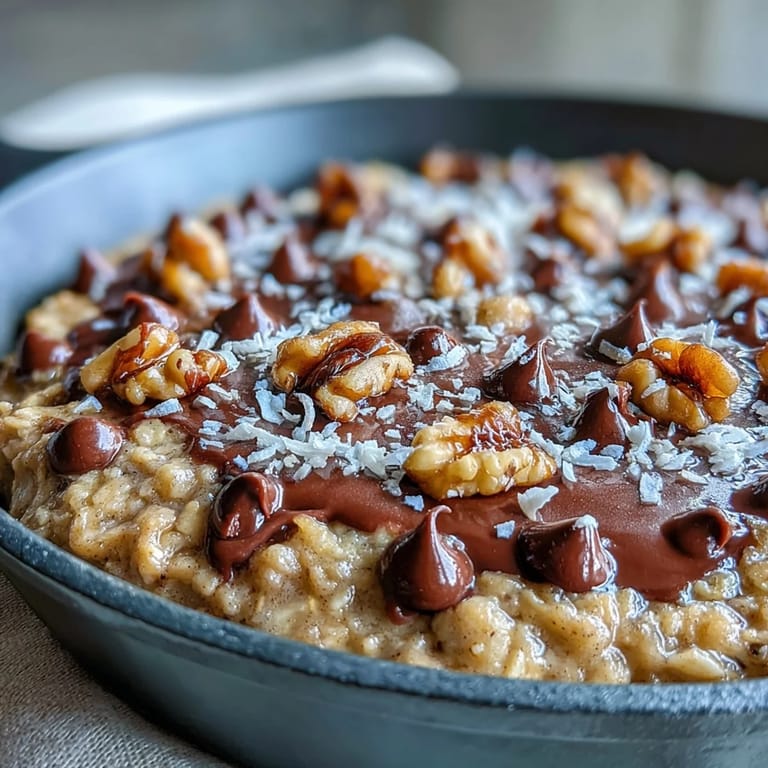
Save There's something about the smell of caramelizing banana and melting chocolate in cast iron that stops you mid-thought. I stumbled onto this skillet cookie on a lazy Sunday afternoon when my roommate mentioned craving something that tasted like a Chunky Monkey smoothie but actually required a fork. We didn't have a proper dessert plan, just butter, overripe bananas, and the kind of appetite that needs something warm and shareable. Twenty-two minutes later, we were arguing over who got the center slice.
My neighbor actually asked what I was making because the aroma had drifted into the hallway, which felt like the ultimate compliment. She came over with her kids, and watching them scoop warm bites onto plates while still in the skillet reminded me that the best desserts are the ones people want to gather around. That's when I realized this wasn't just a cookie—it was an excuse to slow down together.
Ingredients
- Old-fashioned rolled oats (1 1/2 cups): Use the thick-cut kind, not instant—they give you actual texture instead of mush, and they're what makes this feel substantial.
- All-purpose flour (1 cup): Don't skip sifting if your flour's been sitting in the cupboard a while; it prevents lumps that'll throw off your ratio.
- Baking soda (1/2 teaspoon): This is your leavening agent and it works quietly; too much makes the cookie taste metallic, too little and it stays dense.
- Salt (1/2 teaspoon): Sounds small, but it's what makes every other flavor pop instead of blending into sweetness.
- Ground cinnamon (1/2 teaspoon): Warm spice that bridges banana and chocolate like they were meant to find each other.
- Unsalted butter, melted (1/2 cup): Cooling it slightly before mixing prevents the egg from scrambling, a lesson learned the hard way.
- Light brown sugar (1/2 cup packed): The molasses in it adds depth that white sugar can't reach, plus it keeps the cookie tender.
- Granulated sugar (1/4 cup): This balances the brown sugar and helps with browning on top.
- Large egg: Binds everything and adds richness; room temperature is better if you remember, but honestly, cold works too.
- Vanilla extract (2 teaspoons): The unsung hero that ties banana, chocolate, and nuts into one coherent flavor story.
- Ripe bananas, mashed (2 medium, about 1 cup): They should have brown speckles and smell almost too fragrant; that's when they're sweet enough to carry this whole thing.
- Semisweet chocolate chips (1/2 cup): Don't use baking chocolate here; chips melt unevenly and create little pockets of richness, which is the point.
- Chopped walnuts (1/2 cup): Toast them lightly first if you have time—five minutes in a dry pan wakes them up, though raw works if you're in a hurry.
- Unsweetened shredded coconut (1/4 cup, optional): Adds texture and a subtle tropical note that makes people ask what the secret ingredient is.
Tired of Takeout? 🥡
Get 10 meals you can make faster than delivery arrives. Seriously.
One email. No spam. Unsubscribe anytime.
Instructions
- Get your skillet ready:
- Preheat the oven to 350°F and grease your 10-inch cast-iron skillet thoroughly with butter or spray. Cold cast iron takes longer to brown the bottom, so some people warm it in the oven while preheating, which is overkill but does create an extra-crispy edge.
- Combine the dry team:
- In a large bowl, whisk together oats, flour, baking soda, salt, and cinnamon until evenly distributed. This is where you catch any lumps in the flour before they sabotage the final texture.
- Build the wet base:
- In a separate bowl, whisk melted butter with both sugars until the mixture looks smooth and slightly glossy. The slight cooling of the butter matters here because the next step involves an egg.
- Marry egg and banana:
- Add the egg and vanilla to the wet mixture and whisk until fully combined, then stir in the mashed bananas. The bananas should be completely incorporated so you don't get dense pockets of banana throughout.
- Bring it together:
- Pour the wet mixture into the dry ingredients and fold gently until just combined—don't overmix or the gluten will overdevelop and make it tough. A few streaks of dry flour are actually fine at this point.
- Add the stars:
- Gently fold in chocolate chips, walnuts, and coconut, being careful not to crush them. These mix-ins are what people's eyes go to first, so distribute them as evenly as you can.
- Into the skillet:
- Spread the dough evenly across the prepared skillet using a spatula or the back of a spoon. Try to make it level so it bakes uniformly, though slight variations add character.
- The bake:
- Bake for 20 to 24 minutes, until the top is golden and the edges are set but the center still has a tiny bit of jiggle when you shake the skillet gently. This is the sweet spot between underbaked and dry.
- Cool and serve:
- Let it rest for 10 minutes so it firms up enough to slice cleanly, then serve warm straight from the skillet. A scoop of vanilla ice cream on top is not required, but it's never wrong.
 Save
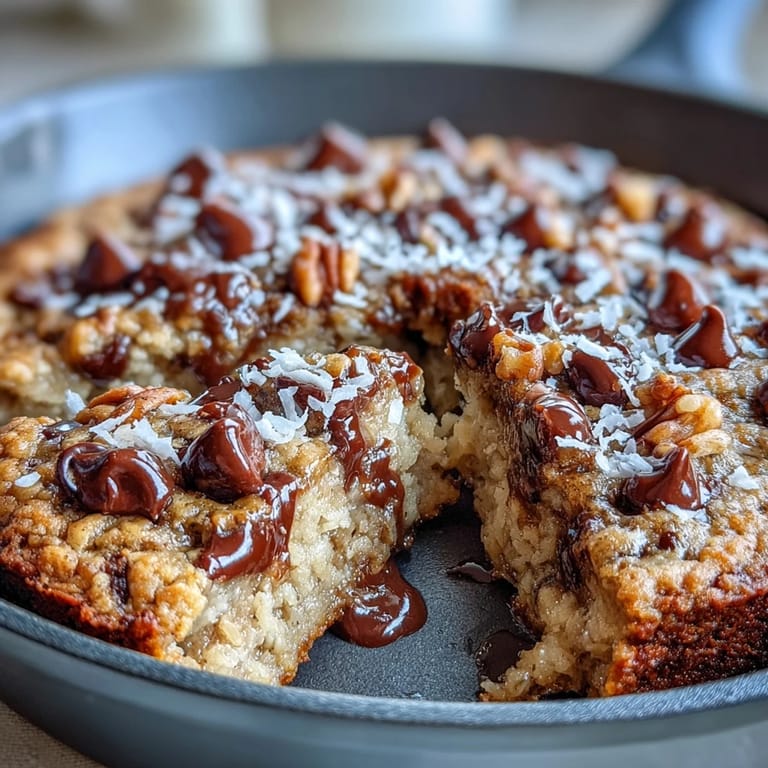
Save The moment I realized this recipe had staying power was when my coworker brought in a slice she'd baked the night before, reheated it gently in her cast iron, and everyone wanted the recipe before the coffee was even brewed. It transformed a simple Thursday morning into something people actually looked forward to.
Variations Worth Trying
Swap the walnuts for pecans or toasted sunflower seeds if nuts aren't your thing, or skip them entirely and add an extra quarter cup of chocolate chips instead. I've also subbed peanut butter chips for half the chocolate chips, which shifts the flavor toward something more indulgent and less fruity. One rainy afternoon, I added a handful of dried cranberries along with the coconut, and it introduced a tart note that actually brightened the whole thing.
Reheating and Storage Secrets
This cookie keeps well covered at room temperature for a few days, and reheating it in a 300°F oven for five minutes brings back that warm, fudgy center without drying it out. If you're feeling lazy, a microwave works but it hardens the chocolate chips; the oven method is worth the extra three minutes. Some people even keep slices in the freezer and defrost them on the counter, which somehow makes them taste fresh again.
Why Cast Iron Matters Here
Cast iron holds heat differently than a regular baking pan, creating a darker, crispier edge while keeping the inside soft—it's the difference between a good skillet cookie and a great one. The metal also conducts heat more aggressively, so watch it around minute 18 to make sure the bottom isn't browning too fast. If your skillet is new or not well-seasoned, grease it extra thoroughly because this dough is slightly banana-heavy and can stick despite butter.
- If you don't have cast iron, a 9-inch round cake pan works, though the edges won't be quite as crispy and baking might take a minute or two longer.
- Always let your skillet cool before washing; rinsing it while hot can warp the pan and strip the seasoning.
- Leftovers wrapped in foil and stored in a cool place stay tender for up to five days, though they're honestly best within the first three.
 Save
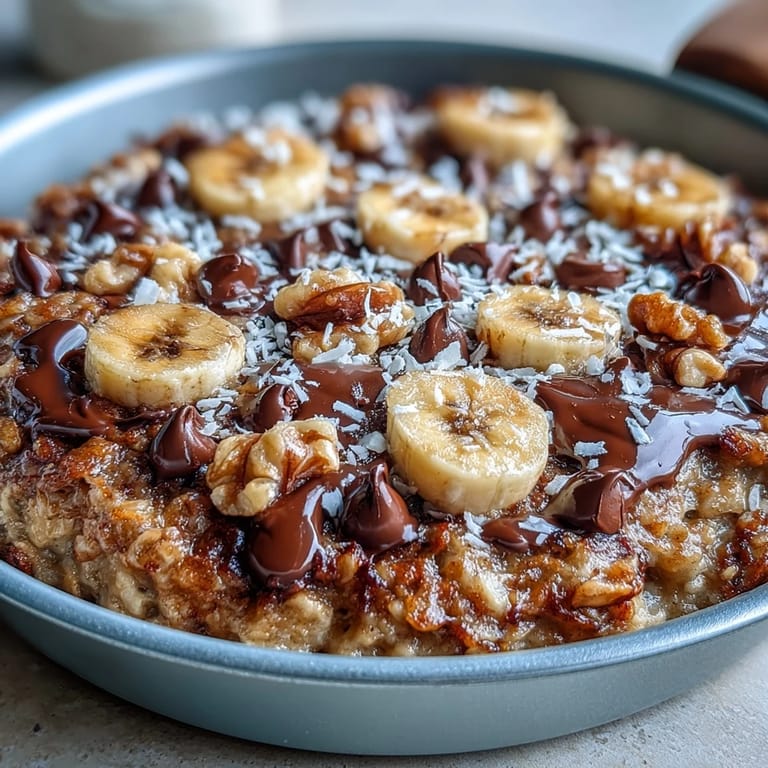
Save This skillet cookie has become the thing I make when I want to turn an ordinary day into something people remember. It's uncomplicated enough for a weeknight craving but impressive enough to share proudly with whoever walks through the door.
Recipe Questions & Answers
- → Can I use quick oats instead of old-fashioned rolled oats?
Old-fashioned oats provide the best texture and structure. Quick oats will make the final product softer and less hearty. If you only have quick oats, reduce the amount slightly and expect a more cake-like texture.
- → How do I know when the skillet is done baking?
The edges should be golden brown and set, while the center may still appear slightly soft. A toothpick inserted into the middle should come out with moist crumbs but not wet batter. The residual heat will finish cooking the center as it cools.
- → Can I prepare the dough ahead of time?
Yes, you can mix the dough and store it in the refrigerator for up to 24 hours before baking. Let it come to room temperature for about 15 minutes before spreading it in the skillet and baking as directed.
- → What can I substitute for the walnuts?
Pecans work beautifully as a direct substitute. For a nut-free version, try sunflower seeds, pumpkin seeds, or extra chocolate chips. The coconut can also be increased to add more texture.
- → How should I store leftovers?
Cover the cooled skillet tightly with foil or transfer slices to an airtight container. Store at room temperature for up to 2 days. Reheat individual portions in the microwave for 20-30 seconds or warm the entire skillet in a 350°F oven for 10 minutes.
- → Can I freeze this skillet?
Yes, bake and cool completely, then wrap the entire skillet tightly in plastic wrap and foil. Freeze for up to 3 months. Thaw overnight in the refrigerator, then reheat in a 350°F oven until warmed through.