 Save
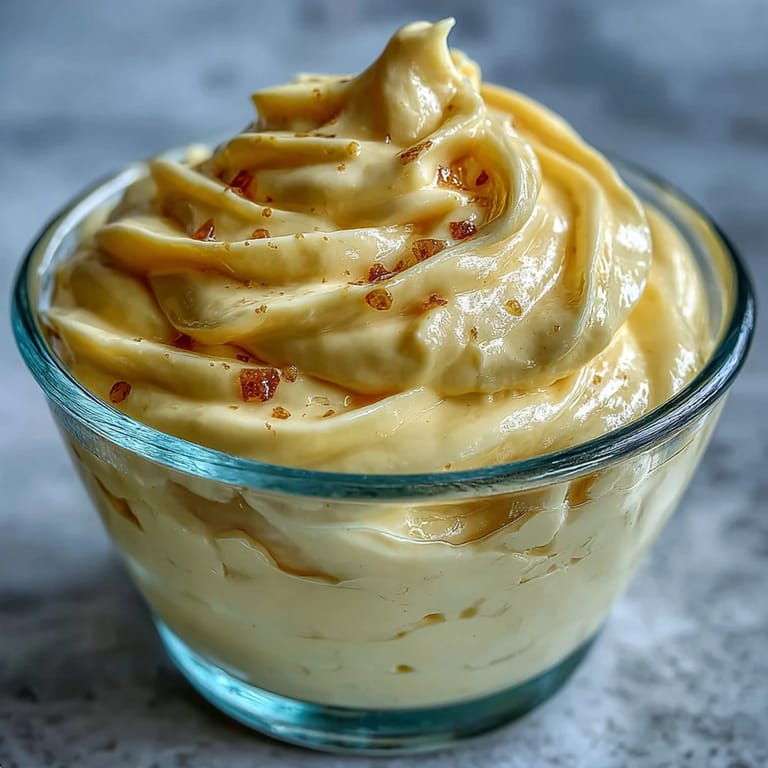
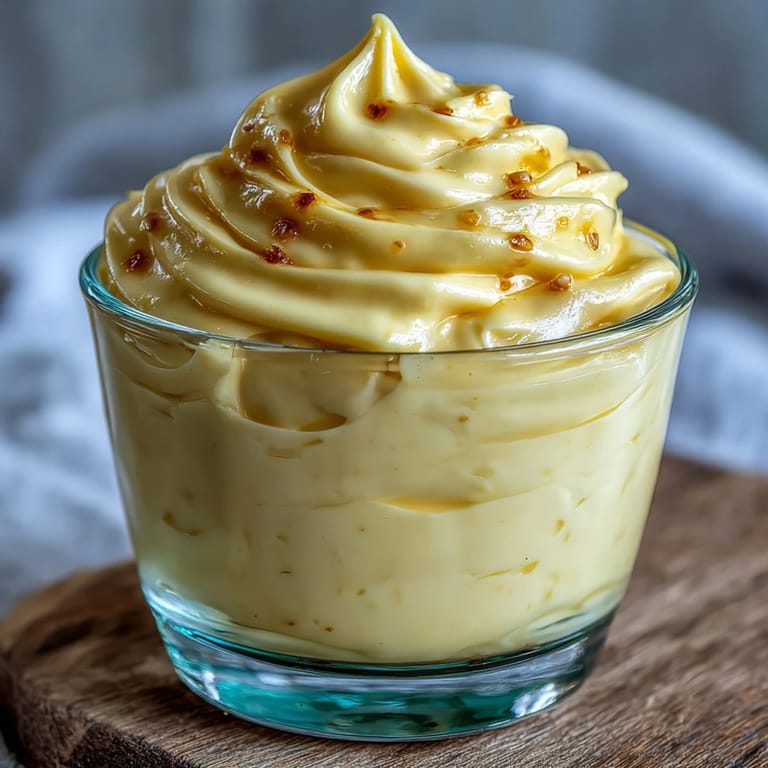
Save Homemade mayonnaise is a secret weapon in any kitchen, bringing together creamy richness and a fresh tang that puts store-bought versions to shame. With just a handful of pantry staples and five minutes, you can whip up a luscious condiment perfect for sandwiches, salads, or as a base for dips. Using an immersion blender, this foolproof recipe ensures silky, thick mayonnaise every time—no arm-tiring whisking required.
Save This homemade mayonnaise is not just quick; it also offers a fresher taste and a dreamy, velvety texture that transforms sandwiches and salads. With the immersion blender method, you can skip the slow oil drizzle and whisking—simply layer the ingredients and let the equipment do the work. Once you’ve tried this, you’ll never look back!
Ingredients
Tired of Takeout? 🥡
Get 10 meals you can make faster than delivery arrives. Seriously.
One email. No spam. Unsubscribe anytime.
- Base
- 1 large egg (room temperature)
- 1 tablespoon Dijon mustard
- 1 tablespoon white wine vinegar or lemon juice
- Oil
- 1 cup (240 ml) neutral oil (such as sunflower, canola, or light olive oil)
- Seasoning
- 1/2 teaspoon fine sea salt
- 1/4 teaspoon freshly ground black pepper (optional)
Instructions
- Step 1
- Place the egg, Dijon mustard, vinegar or lemon juice, salt, and pepper (if using) into a tall, narrow container suitable for an immersion blender.
- Step 2
- Pour the oil on top.
- Step 3
- Insert the immersion blender all the way to the bottom of the container.
- Step 4
- Turn on the blender and keep it at the bottom for about 10 seconds until the mixture begins to emulsify and turn creamy.
- Step 5
- Slowly raise the blender, moving it up and down to fully incorporate all the oil. Blend until thick and smooth, about 30 seconds.
- Step 6
- Taste and adjust seasoning if needed.
- Step 7
- Transfer to a clean jar, seal tightly, and refrigerate. Use within 1 week.
Zusatztipps für die Zubereitung
Setze auf Zutaten in Zimmertemperatur für eine optimale Emulsion. Ein hohes, schmales Gefäß sorgt für das beste Mixergebnis. Nutze pasteurisierte Eier, wenn du auf Nummer sicher gehen willst, und schmecke die Mayonnaise je nach Vorliebe mit etwas mehr Säure oder Gewürzen ab.
Varianten und Anpassungen
Für eine würzigere Note kannst du bis zu 2 Teelöffel mehr Essig oder Zitronensaft verwenden. Wer es knoblauchlastig mag, mixt einfach eine kleine Knoblauchzehe für eine schnelle Aioli mit. Auch Kräuter, Chili oder geriebene Zitronenschale lassen sich leicht untermixen, um neue Geschmacksrichtungen zu entdecken.
Serviervorschläge
Diese selbstgemachte Mayonnaise glänzt als Brotaufstrich, verfeinert Kartoffelsalat oder cremige Dressings und eignet sich hervorragend als Dip für Pommes, Gemüse oder Garnelen. Mit Frischkräutern vermischt entsteht im Handumdrehen eine feine Remoulade.
 Save
Save Selbstgemachte Mayonnaise ist nicht nur ein Genuss, sondern auch ein kleines Küchenabenteuer für jeden Tag. Mit wenigen Handgriffen entstehen intensive Aromen – ein echtes Upgrade für viele Gerichte. Guten Appetit!
Recipe Questions & Answers
- → What oil works best for homemade mayonnaise?
Neutral oils like sunflower, canola, or light olive oil yield the creamiest texture without overpowering flavors.
- → Can I make this mayonnaise without an immersion blender?
While immersion blenders are ideal, a food processor or regular blender can also achieve a creamy, stable mayo.
- → How do I add more tang to the mayonnaise?
Increase vinegar or lemon juice up to 2 teaspoons for extra tang, adjusting to preferred taste.
- → How long does homemade mayonnaise last?
Store in a sealed jar in the fridge and use within one week for freshness and safety.
- → Is it safe to use raw eggs?
Use pasteurized eggs to minimize risk, especially for those concerned about raw ingredients.
- → Can I add flavor variations?
Blend in garlic for aioli or use stronger olive oil for a more robust flavor profile.