 Save
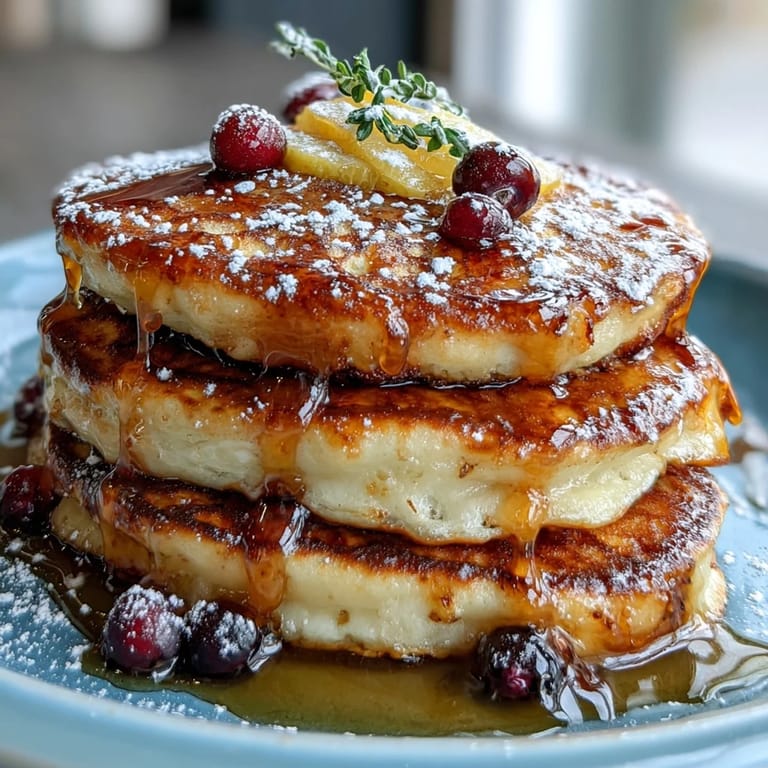
Save My sourdough starter had been sitting in my fridge for weeks, neglected and demanding attention, when I decided to stop treating it like a burden and start using it for breakfast. I was tired of standard pancakes, and something about the tartness of sourdough felt like it could transform a simple Sunday morning into something worth waking up for. The moment I whisked that starter into the wet ingredients and caught the smell of fermented tang mixing with fresh lemon, I knew I was onto something. Blueberries seemed like the natural companion, their sweetness balancing the sourdough's edge perfectly. What started as a way to use up discard turned into the pancake I now make whenever I want to feel like I've actually accomplished something before noon.
I made these for my partner on a rainy Tuesday when we both worked from home, and watching their face when they took that first bite—that moment of surprise when they realized pancakes could taste this sophisticated—made me understand why people get obsessed with cooking for others. The kitchen smelled incredible, and somehow these pancakes made sitting at our tiny table feel less like a rushed weekday breakfast and more like a small celebration. We had them three more times that week, and I started to wonder if I'd accidentally stumbled onto something that might actually impress people at a brunch gathering.
Ingredients
- Sourdough starter: Use your discard or unfed starter here—this is where the tanginess lives, and it honestly doesn't matter if it's not at peak activity.
- Milk: Whole milk works best for richness, but 2% won't disappoint; if you have buttermilk, use it instead and reduce the lemon juice slightly.
- Eggs: Room temperature eggs whisk smoother and integrate better, though cold ones work fine if you're not fussy.
- Unsalted butter: Melted and cooled slightly so it doesn't scramble the eggs when you combine everything.
- Vanilla extract: A tiny bit that adds warmth without announcing itself—pure extract tastes noticeably better than imitation.
- Lemon zest and juice: Use a microplane for zest so you get the oils, not just pith; fresh squeezed juice changes the brightness considerably.
- All-purpose flour: Nothing fancy needed, though bread flour would make them slightly chewier if that appeals to you.
- Granulated sugar: Just enough to balance the tang and give you a little color on the griddle.
- Baking soda and baking powder: The soda reacts with the acidic sourdough starter, while the powder provides backup lift; both matter.
- Fine sea salt: Smaller grains dissolve evenly and enhance everything without creating surprise salty pockets.
- Fresh or frozen blueberries: If frozen, do not thaw—they'll bleed purple into everything, which honestly looks dramatic but tastes the same.
Tired of Takeout? 🥡
Get 10 meals you can make faster than delivery arrives. Seriously.
One email. No spam. Unsubscribe anytime.
Instructions
- Mix the wet base:
- Whisk the sourdough starter, milk, eggs, melted butter, vanilla, lemon zest, and lemon juice in a large bowl until the mixture looks smooth and unified. The sourdough starter might have some lumps; break them apart with the whisk so everything blends together.
- Combine the dry ingredients:
- In a separate bowl, whisk the flour, sugar, baking soda, baking powder, and salt together so the leavening agents spread evenly. This only takes a minute and prevents those occasional dense pockets in your pancakes.
- Fold everything together:
- Pour the wet mixture into the dry mixture and fold gently with a spatula just until you stop seeing dry flour streaks—overmixing activates the gluten and makes your pancakes tough instead of tender. A few small lumps are your friends here.
- Add the blueberries:
- Fold them in carefully so they distribute throughout without crushing them into the batter. If you're using frozen blueberries, add them straight from the freezer.
- Heat your cooking surface:
- Set your non-stick skillet or griddle over medium heat and let it warm for a minute or so; lightly butter or oil it once it's hot. You'll know it's ready when a drop of water sizzles briefly on contact.
- Cook the first side:
- Pour about 1/4 cup of batter onto the hot surface for each pancake, giving them room to spread slightly. Watch for bubbles to form across the top and the edges to look set and slightly dried out—this takes about 2 to 3 minutes depending on your heat.
- Flip and finish:
- Flip each pancake carefully and cook the other side for another 1 to 2 minutes until golden brown and cooked through. You want them golden, not dark, which means adjusting your heat if they're browning too fast.
- Serve with purpose:
- Warm pancakes are best—pile them on a plate with maple syrup, a handful of fresh blueberries, and an extra pinch of lemon zest if you're feeling fancy. A cup of Earl Grey or fresh orange juice on the side makes this feel complete.
 Save
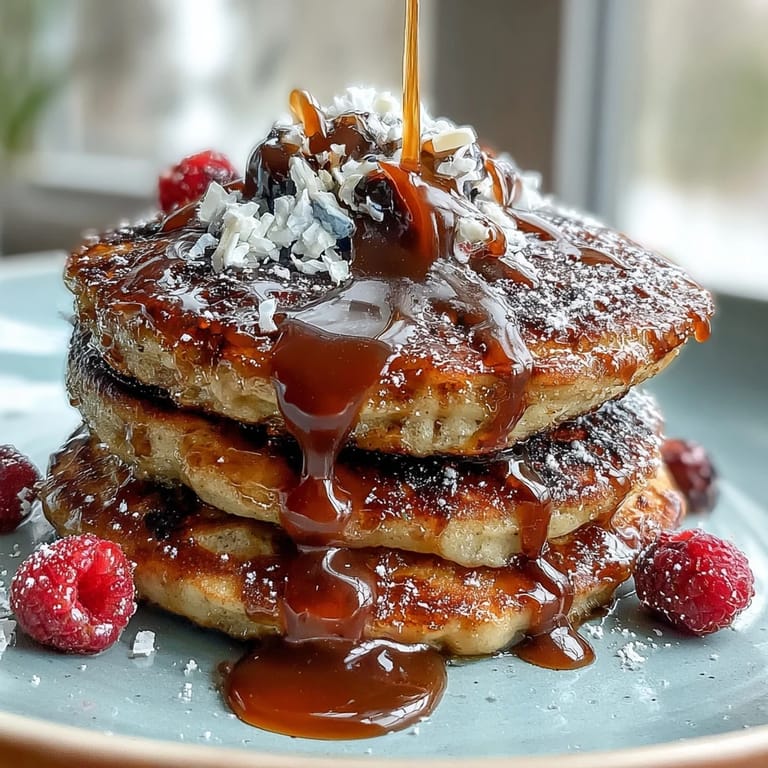
Save One morning I made these for a small gathering of friends who'd been skeptical about sourdough in breakfast contexts, and watching them go back for thirds—asking if I'd add something fancy like mascarpone—made me realize these pancakes had crossed from nice to memorable. They'd arrived expecting fluffy carbs and left talking about the flavor balance, the way the sourness made the lemon pop, and whether I could make them again next month. That's when I understood that this recipe wasn't just about using up starter; it was about transformation, the kind that happens in a kitchen when simple things meet with intention.
The Sourdough Starter Question
I spent months feeling guilty about my sourdough starter, treating it like a burden that needed constant feeding and attention before it could be useful. Then I realized that discard—that portion you normally throw away—carries all the flavor you actually want in breakfast pancakes, and suddenly my relationship with starter maintenance became peaceful. Active starter works too, but using discard feels like you're finally in partnership with your fermentation project instead of working against it. If you're hesitant about sourdough baking, this recipe is a gentle gateway that proves starter is useful even when it's not at peak performance.
Why Lemon and Blueberry Work Together
The combination sounds obvious now, but it took me trying it to understand why it works so well—the lemon doesn't compete with the blueberries but instead amplifies their flavor, like turning up the volume on something already beautiful. When you add sourdough's tartness on top, you create a complexity that tastes sophisticated without requiring any fancy ingredients or technique. Most pancake combinations sit flat and safe; this one actually makes your mouth wake up and pay attention. It's the kind of breakfast that makes you feel like you did something special, even though you're just mixing things in a bowl.
Storage and Reheating Tips
These pancakes reheat beautifully if you find yourself with leftovers, which rarely happens but occasionally does if you make a double batch. The sourdough starter keeps them tender even after refrigeration, and a quick pass under a toaster or gentle warmth in a skillet brings back that just-cooked texture without drying them out.
- Stack cooled pancakes between parchment paper before refrigerating to prevent them from sticking together.
- Reheat in a 300-degree oven for a few minutes or quickly in a toaster to restore warmth and texture.
- Freeze them layered in a freezer-safe container for up to two weeks, then toast directly from frozen for a weekday morning upgrade.
 Save
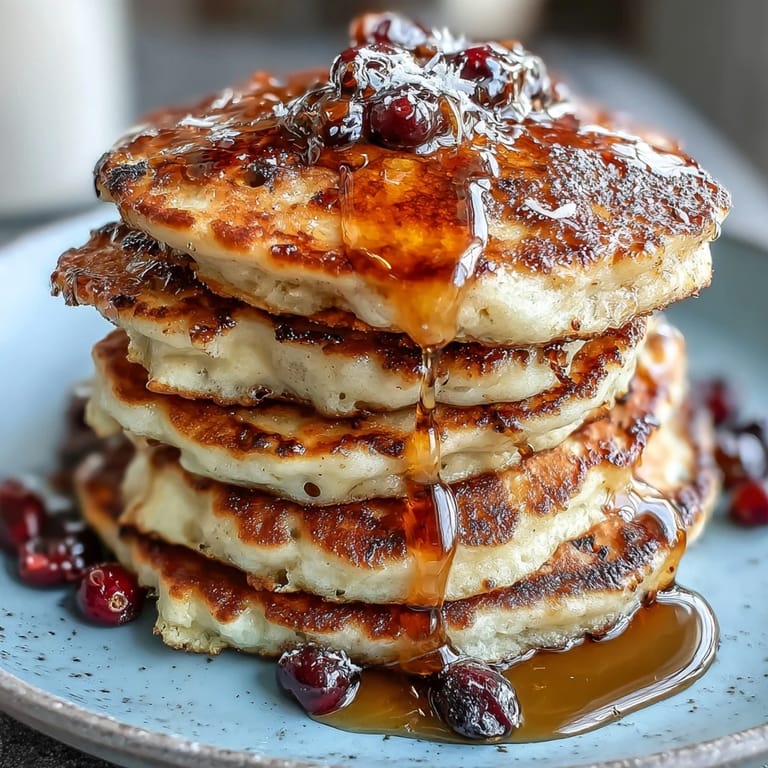
Save These pancakes remind me that the best recipes aren't the most complicated ones but the ones that make you want to cook breakfast on a random Tuesday. Once you make them, they'll probably find their way onto your regular rotation.
Recipe Questions & Answers
- → How does sourdough starter affect the flavor?
The sourdough starter adds a subtle tanginess and depth, enhancing the pancakes' overall flavor profile while contributing to a tender texture.
- → Can I use frozen blueberries without changing texture?
Frozen blueberries can be used directly without thawing to avoid color bleeding and maintain the batter's consistency.
- → What is the best way to achieve fluffy pancakes?
Gently folding dry ingredients into wet and avoiding overmixing helps keep the batter light, resulting in fluffy pancakes.
- → Are there any good substitutions for milk?
Buttermilk can be substituted for milk to add extra tang, or plant-based alternatives can be used for dairy-free options.
- → How do lemon zest and juice enhance the dish?
Lemon zest offers bright citrus oils, while the juice adds fresh acidity, both balancing the sweetness and amplifying flavors.