 Save
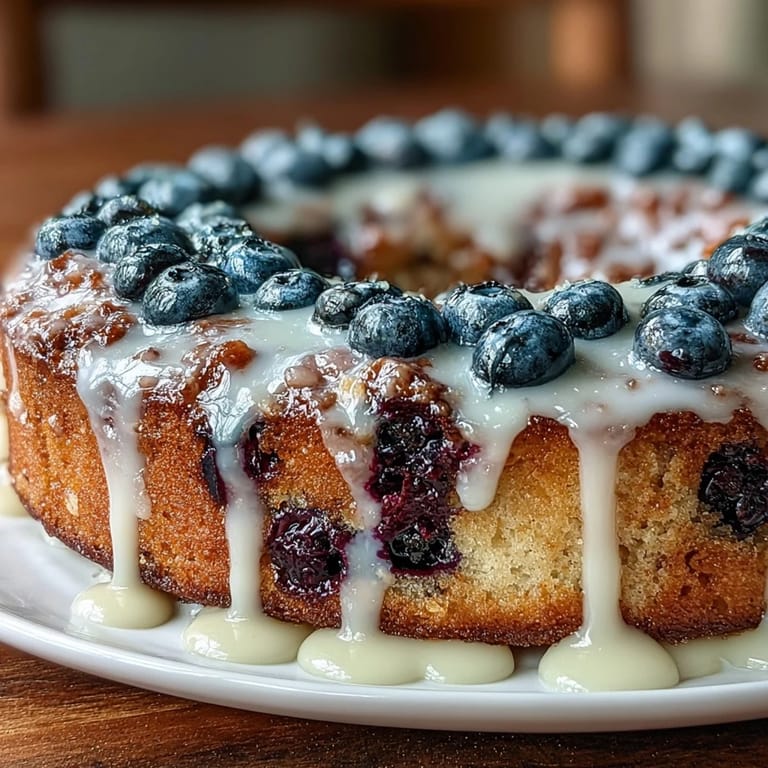
Save There's something almost magical about the moment you pull a skillet cake from the oven and that warm lemon-blueberry perfume hits you—it happened to me on a lazy Sunday morning when I was experimenting with ways to use up my sourdough discard instead of tossing it. The tangy starter transformed what could've been an ordinary cake into something with unexpected depth, and the bright lemon juice balanced it all perfectly. My neighbor stopped by mid-bake, drawn in by the smell, and I knew I'd stumbled onto something worth repeating.
I made this for my book club last month, and watching someone take that first bite—pausing, then going back for seconds—reminded me why I love cooking for others. The icing drizzle catches the light just right when you bring it to the table, and people always assume it took more effort than it actually did. That's the kind of small magic that keeps me coming back to this recipe.
Ingredients
- All-purpose flour (1 cup): Use fresh flour for the best crumb; old flour absorbs moisture differently and can make the cake dense.
- Unsalted butter (1/2 cup), softened: Softening at room temperature for about 30 minutes ensures it creams properly and incorporates air, which is your secret to a fluffy cake.
- Granulated sugar (3/4 cup): Don't skip the creaming step—this is where the butter and sugar create tiny air bubbles that make the cake tender.
- Eggs (2 large): Cold eggs won't incorporate smoothly, so grab them from the counter rather than the fridge if you can.
- Active sourdough starter (1/2 cup): Use your discard (unfed starter) here; it's the perfect moment to rescue what you'd normally throw away, and it adds a subtle tang that makes people ask for the recipe.
- Whole milk (1/4 cup): Room temperature milk blends in seamlessly and prevents lumps from forming in the batter.
- Vanilla extract (1 tsp): A small touch that rounds out the lemon brightness without announcing itself.
- Lemon zest (from 1 lemon): Use a microplane grater to capture those bright oils; zest first, then juice the lemon for maximum flavor.
- Fresh lemon juice (2 tbsp): Bottled juice works if you're in a pinch, but fresh makes a noticeable difference in brightness.
- Baking powder (1 tsp) and baking soda (1/4 tsp): Together they create the right amount of lift without making the cake too cakey or dry.
- Salt (1/4 tsp): A tiny pinch that you won't taste but that amplifies everything else.
- Fresh blueberries (1 1/4 cups plus extras): Toss them in a bit of the flour mixture before folding to prevent them from sinking to the bottom; frozen berries work too and don't need thawing.
- Powdered sugar (1/2 cup) and fresh lemon juice (1-2 tbsp) for icing: Whisk these together just before drizzling so the icing stays thin and glossy.
Tired of Takeout? 🥡
Get 10 meals you can make faster than delivery arrives. Seriously.
One email. No spam. Unsubscribe anytime.
Instructions
- Prepare your stage:
- Preheat the oven to 350°F and grease your 10-inch skillet generously—cast iron is ideal because it distributes heat evenly and gives you that golden, caramelized bottom. You can also use a ceramic baking dish if that's what you have on hand.
- Mix the dry team:
- Whisk flour, baking powder, baking soda, and salt in a bowl and set it aside; this prevents lumps and ensures the leavening agents are evenly distributed throughout the cake.
- Cream butter and sugar:
- Beat softened butter with sugar for about 2-3 minutes until it's light, fluffy, and noticeably paler—this is where the magic starts, and you'll hear the mixer whirring happily. This step incorporates air and sets up the tender crumb you're after.
- Add eggs with care:
- Drop in one egg at a time, beating well after each addition until fully incorporated; rushing this step can result in a separated batter that won't rise properly.
- Build the flavor:
- Stir in vanilla, lemon zest, and lemon juice, then fold in the sourdough starter gently—it might look slightly curdled, and that's perfectly normal. The tanginess will shine through in the final cake.
- Layer in the flour and milk:
- Add half the flour mixture first, stir until just combined, then pour in the milk, and finish with the remaining flour—this alternating method prevents overworking the batter and keeps the cake tender. Mix gently but thoroughly, making sure there are no pockets of flour hiding at the bottom.
- Fold in the blueberries:
- Use a spatula to fold in the berries with a light hand; a few crushed berries are fine, but you want most of them to stay whole and surprise you in each bite. If using frozen blueberries, don't thaw them—the cold helps them hold their shape.
- Get it in the skillet:
- Pour the batter into your prepared skillet and smooth the top gently with a spatula; scatter a few extra berries on top if you're feeling fancy, and they'll sink slightly as it bakes.
- Bake until golden:
- Slide it into the oven for 30-35 minutes—you're looking for a golden top and a toothpick that comes out clean from the center. The cake will smell absolutely incredible around the 20-minute mark, but resist the urge to peek too much.
- Cool and compose:
- Let the cake sit in the skillet for about 15 minutes so it can set up without falling apart, then you can slice it right there in the pan and serve it directly to the table for maximum coziness.
- Make the icing:
- While the cake cools, whisk powdered sugar with 1-2 tablespoons of fresh lemon juice until you get a thick but pourable consistency; you want it to drizzle beautifully without pooling. If it's too thick, add another half-teaspoon of juice at a time.
- Drizzle and serve:
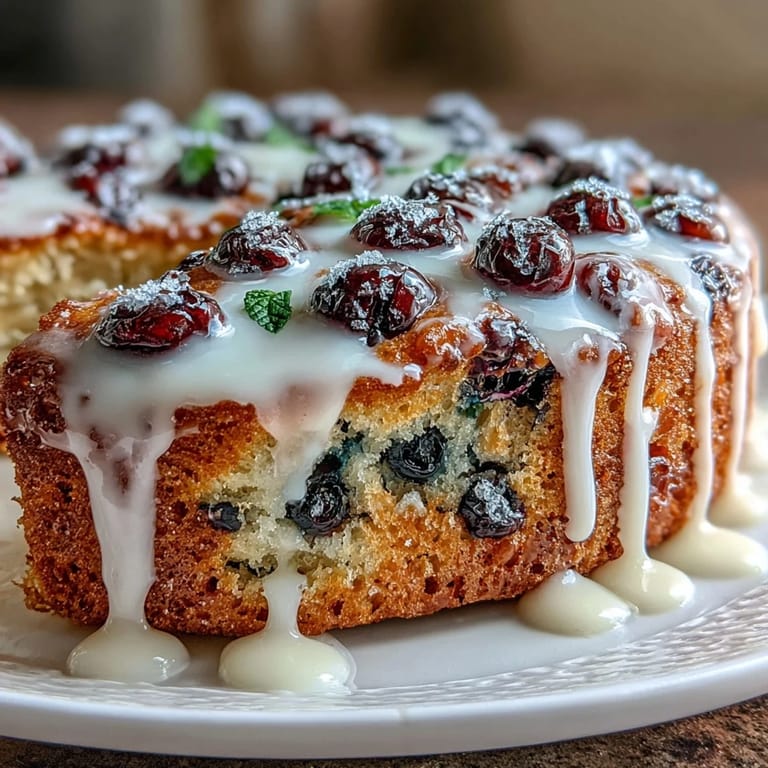
- Once the cake has cooled slightly, spoon or drizzle the icing in thin stripes across the top; it'll set slightly and look restaurant-worthy while tasting homemade and real.
 Save
Save This cake has become my answer to so many moments—when someone needs cheering up, when I want to feel like I've made something special without spending all day in the kitchen, when I'm staring at a full jar of sourdough discard wondering what to do. There's comfort in a warm slice with tea, and there's pride in something that tastes like it came from a real kitchen, not a recipe blog.
Why Sourdough Starter Changes Everything
Sourdough discard gets a bad reputation because people feel guilty tossing it, but this recipe proves it's liquid gold. The starter adds moisture and a subtle tangy note that makes people lean in and ask what makes this different from a regular cake. You're not adding it for the sourness to be obvious—it's more like a secret ingredient that deepens the overall flavor and makes the crumb incredibly moist. I've made this cake with and without it, and there's no comparison; the starter version wins every time.
Lemon and Blueberry: A Match That Just Works
The combination feels natural because it actually is—blueberries and lemon are both spring and early summer flavors, and they chase each other around your palate in the best way. The lemon zest in the batter and juice in the icing ensure you get brightness in every bite, while the blueberries stay soft and jammy inside the cake. I've tried this with lime or orange just for fun, and while they're good, there's something about lemon that feels like home.
Skillet Baking and Why It Matters
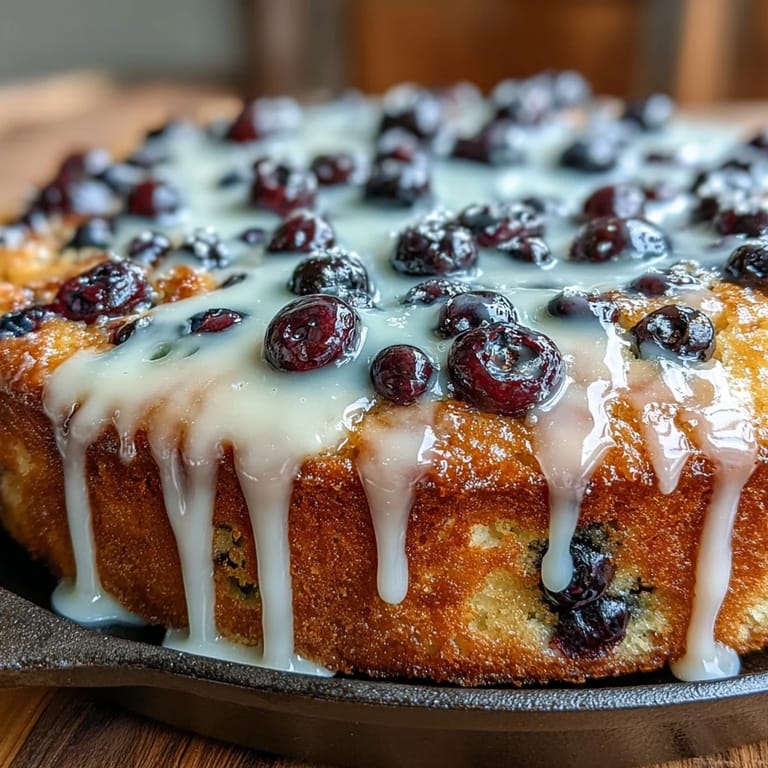
Baking in a skillet isn't just for show, though the rustic presentation is definitely a bonus. Cast iron distributes heat incredibly evenly, which means you get a golden, slightly caramelized bottom and a tender crumb throughout. The sloped sides make it easy to scoop out generous portions without the cake crumbling, and you can literally serve it straight from the skillet to the table—one less dish to wash and one more moment to feel like you're doing something a little special.
- If you don't have a cast iron skillet, a 9-inch round ceramic or glass baking dish works just fine, though you might not get that beautiful caramelized bottom.
- Let the skillet cool for a few minutes before serving so the cake firms up enough to hold its shape when you scoop.
- You can even serve it slightly warm with a dollop of whipped cream or vanilla ice cream if you're feeling indulgent.
 Save
Save This cake has earned its place in my regular rotation because it's reliable, it impresses without fussing, and it makes my kitchen smell like happiness for the better part of an hour. Make it once, and you'll understand why I keep coming back to it.
Recipe Questions & Answers
- → What type of flour is best for this cake?
All-purpose flour provides the right structure and texture, balancing tenderness and stability.
- → Can I use frozen blueberries instead of fresh?
Yes, frozen blueberries can be used directly without thawing, preserving texture and color during baking.
- → How does the sourdough starter affect the flavor?
The sourdough starter adds a subtle tang and complexity, enhancing the overall depth of the cake’s flavor.
- → Is a cast iron skillet necessary for baking?
While cast iron provides even heat and a nice crust, an oven-safe skillet of similar size will work as well.
- → What is the best way to apply the icing drizzle?
Whisk powdered sugar with fresh lemon juice to a pourable consistency, then drizzle over the cooled cake for a bright finishing touch.
- → Can I substitute other citrus flavors?
Yes, orange zest and juice can be used for a different citrus twist without altering the cake’s moisture.