 Save
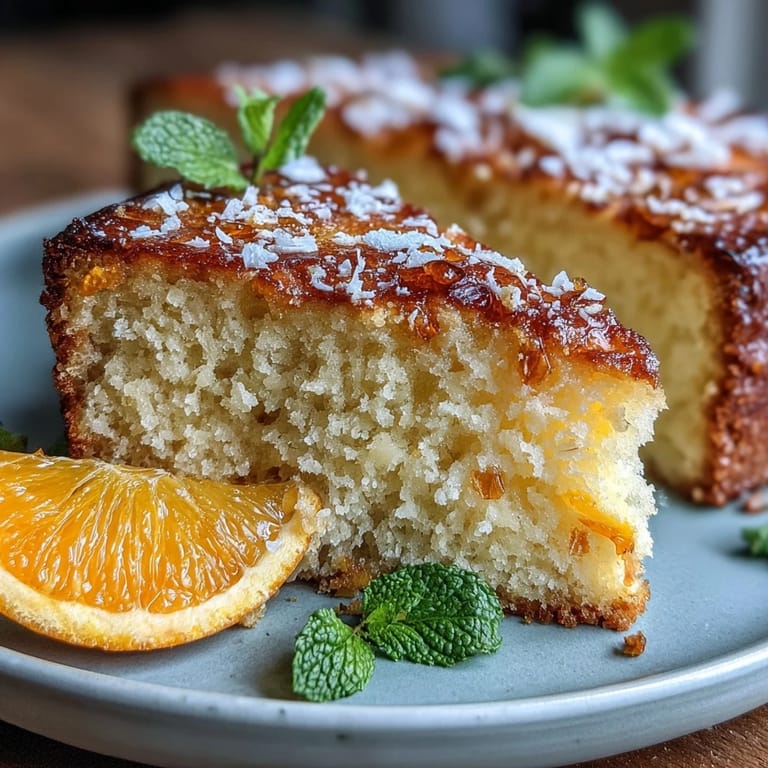
Save When the scent of oranges fills my kitchen, it's never from a scented candle, but from this particular cake. The first time I whirred an entire orange—including the peel—into a batter, I half expected chaos, but what came out of the oven was nothing short of a miracle. The bright, almost floral aroma drifting through the house is pure sunshine, no matter the season. Every time I make this, I end up pausing just to inhale and smile. Who knew that such a simple method could pack a dessert with so much color and flavor?
The last time I baked this cake, my neighbor dropped by mid-stir and we both marveled as the blender's rattle filled my small kitchen. We shared a laugh about the vibrant orange puree splattering the sides and traded stories about failed marmalades. When the cake cooled, I handed her a slice wrapped in parchment—still a bit warm, sugar-dusted, and fragrant. She texted that night: 'I need the recipe!' That moment made it more than just a cake—it was a little act of sharing sunshine.
Ingredients
- 1 large seedless orange (organic, washed and quartered, seeds removed if present): Using the whole orange (peel and all) is the secret to deep citrus flavor; organic is a must since you’re blending the skin.
- 3 large eggs: They’re essential for binding and lift—room temperature blends in more smoothly.
- 150 ml vegetable oil (e.g., sunflower or canola): This keeps the crumb incredibly moist; neutral oil lets the orange shine.
- 1 tsp vanilla extract: Just a touch softens and rounds out the citrus zing—look for pure vanilla if you can.
- 250 g granulated sugar: Balances the tang and subtly caramelizes with the orange oils as it bakes.
- 250 g all-purpose flour: Sturdy enough for the heavy orange; sifting lightens the final cake.
- 2 tsp baking powder: Helps the thick batter rise and stay fluffy.
- 1/2 tsp salt: Awakes all the flavors—don’t skip it.
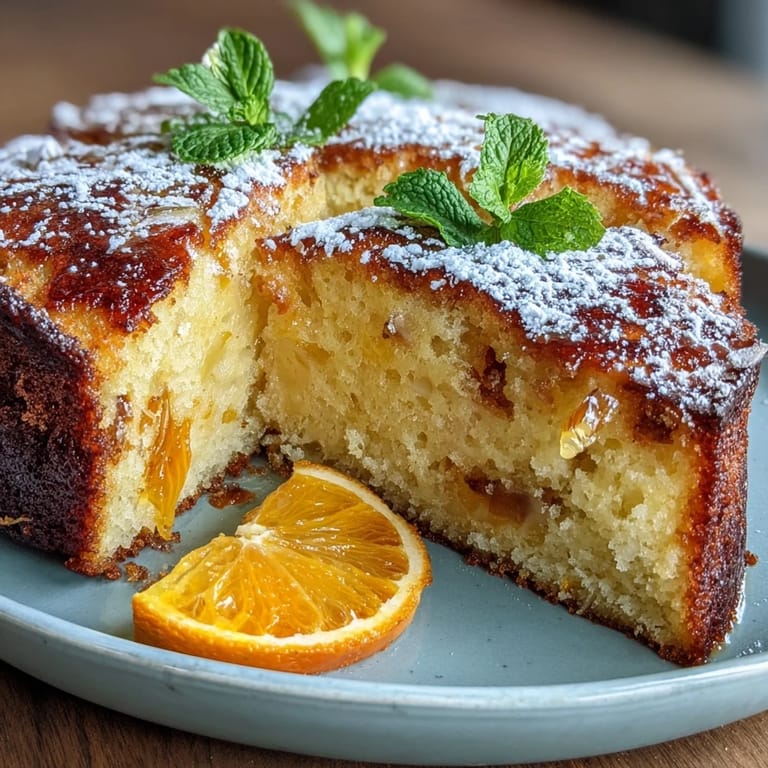
- Powdered sugar, for dusting (optional): Adds a soft, pretty finish and a hint of sweetness with almost no effort.
Tired of Takeout? 🥡
Get 10 meals you can make faster than delivery arrives. Seriously.
One email. No spam. Unsubscribe anytime.
Instructions
- Prep your pan and oven:
- Set the oven to 350°F (175°C). Grease and line your cake pan—parchment is your friend for an easy release.
- Blend the orange mixture:
- Toss the quartered orange (peel and all), eggs, oil, and vanilla into a blender. Whiz until it’s completely smooth and jewel-bright, pulsing if needed to smash any stubborn bits of peel.
- Mix the dry base:
- Whisk together sugar, flour, baking powder, and salt in a big bowl. Breathe in—that sugar and flour combo always feels like the promise of something delicious.
- Combine it all:
- Pour the orange mixture into the dry bowl and fold gently, just until you stop seeing big streaks of flour; overmixing makes the cake tough, trust me.
- Bake to golden goodness:
- Scrape the batter into your prepared pan and even the surface out. Slide it in the oven and bake 45–50 minutes, until deeply golden and a toothpick comes out clean.
- Cool it down:
- Let the cake chill in the pan for 10 minutes before turning it onto a wire rack—patience here means you won’t lose any edges.
- Finish and serve:
- After it cools, shower powdered sugar over the top if the mood strikes. Slice and serve, maybe with a dollop of whipped cream or ice cream if you’re feeling fancy.
 Save
Save The day I took this to a park picnic, people wandered over just from the smell. Eventually, we ditched plates in favor of eating cake slices with fingers, marveling at how impossibly moist and fragrant it was even hours later. Someone asked me if there was a secret ingredient—when I told them just a single orange, their eyes widened. It was the kind of afternoon where the cake disappears faster than you’d expect. That sparked my mission to share this recipe every chance I get.
Blending Whole Oranges—What to Expect
Surprisingly, blending the whole fruit brings a perfume-like intensity and beautiful color you can’t get any other way. You’ll hear the blades clatter at first as they tackle the peel, but soon everything transforms into a silky, sunny puree. The magic is in how the bitter oil from the skin mellows in the bake—so don’t worry if it smells almost too strong raw. Always scrape down the blender to make sure every bit of peel gets blitzed smooth. This alone makes all the difference in taste.
Making It Dairy-Free (and Fancy)
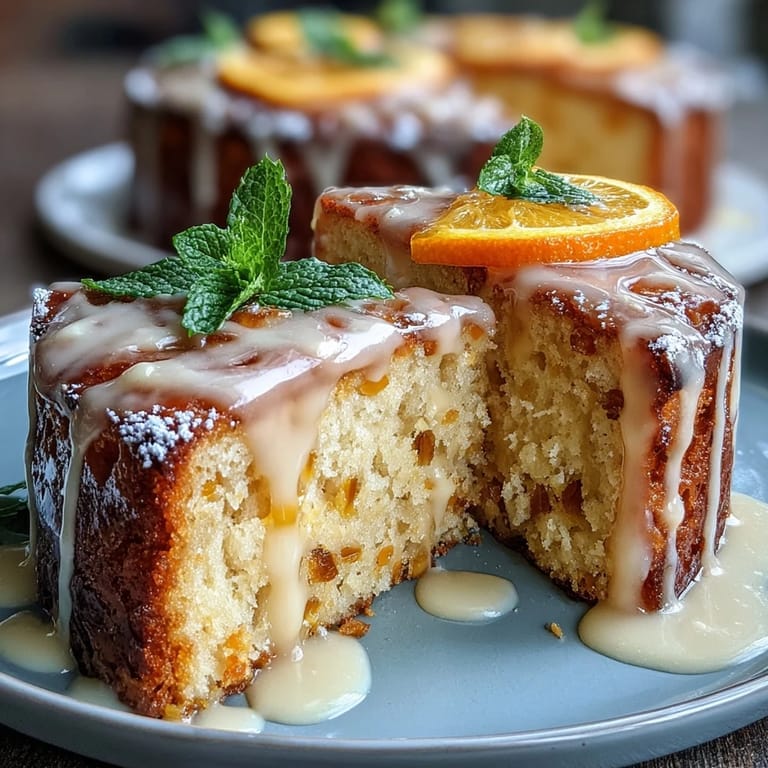
Since there’s no butter or milk here, it’s easy to tweak for dairy-free eaters—just keep toppings like whipped cream plant-based if you prefer. The cake stays rich from the oil, so it truly needs nothing extra, but if you want to impress, a quick orange syrup drizzle or a scatter of toasted nuts brings a lovely twist. I once topped it with candied orange slices and it looked straight out of a bakery window. The beauty is how open-ended the final flourish can be. Every try becomes its own little masterpiece.
Tips for Effortless Citrus Success
Over time, I’ve found that every new orange brings its own personality, and it’s fun to play around with extras like cardamom or a splash of liqueur. Lining the pan is a tiny step that saves so much heartbreak—trust me on that one. And honestly, this cake is at its best the next day, when the flavors settle and the crumb becomes even more tender.
- If your orange has a very thick skin, trim just a bit—too much pith can add bitterness.
- A sprinkle of granulated sugar on top before baking adds a slight crunch.
- This freezes beautifully—slice and wrap leftovers for sunny days to come.
 Save
Save Every time you share this cake, you’ll brighten someone’s day—maybe even your own. Happy baking and enjoy every citrusy bite.
Recipe Questions & Answers
- → Can I use an orange with seeds?
Yes. Remove any large seeds before blending to avoid bitterness and ensure a smooth texture. Seedless varieties are easiest.
- → How do I tell when it's baked through?
The top should be golden and a toothpick or skewer inserted into the center should come out clean or with a few moist crumbs; usually 45–50 minutes.
- → Why blend the whole orange instead of just juice and zest?
Blending the peel adds concentrated citrus oils and natural pectin for extra aroma and a moist crumb, plus a bolder, deeper orange flavor.
- → Can this be made dairy-free?
Yes. The batter contains no dairy; choose plant-based toppings such as dairy-free whipped cream or ice cream to keep it dairy-free.
- → Which type of orange is best?
Use a firm, fragrant organic orange to avoid pesticide residue on the peel. Navel or Valencia varieties work well for sweetness and aroma.
- → How should leftovers be stored?
Wrap cooled slices and store at room temperature up to 2 days, or refrigerate up to 5 days. For longer storage, freeze slices tightly for up to 3 months.