 Save
Save The kitchen counter was covered in flour and my roommate was skeptical about another cooking experiment. I had seen my grandmother do this a hundred times but never written down the ratios. That first batch came out too salty and the coating fell off in patches. The third time something clicked—crispy, juicy, and exactly what Friday night comfort food should be.
I made these for a Super Bowl party years ago and watched them vanish in ten minutes flat. My friend Sarah stood by the stove waiting for each batch to come out, burning her fingers sneaking pieces. Now whenever I walk in with that takeout box of fried chicken, someone asks if I made it myself.
Ingredients
- 1.5 lbs (680 g) chicken tenders or boneless skinless chicken breasts cut into strips: Fresh chicken holds the coating better than frozen, so pat it dry before marinating
- 1 cup (240 ml) buttermilk: The acidity tenderizes the protein and creates that legendary crust—regular milk just does not give the same result
- 1 teaspoon salt for marinade plus 1 teaspoon for coating: Splitting the salt between the liquid and dry layers ensures flavor in every bite
- 1/2 teaspoon black pepper for marinade plus 1/2 teaspoon for coating: Freshly cracked pepper adds a gentle warmth that balances the rich buttermilk
- 1/2 teaspoon garlic powder for marinade plus 1/2 teaspoon for coating: Garlic powder distributes evenly while fresh garlic can burn and turn bitter
- 1/2 teaspoon onion powder for marinade plus 1/2 teaspoon for coating: This adds savory depth without the texture of actual onion
- 1/2 teaspoon paprika for marinade plus 1 teaspoon for coating: More in the coating gives that beautiful golden red color everyone expects
- 1/4 teaspoon cayenne pepper optional: Even if you think you do not like spicy food, this tiny amount creates background warmth without heat
- 1 1/2 cups (190 g) all purpose flour: The protein content in all purpose flour creates the ideal crunch structure
- 1/2 teaspoon baking powder: This secret ingredient makes the crust lighter and airier—do not skip it
- Vegetable oil for deep frying: Canola or peanut oil have high smoke points and neutral flavors that let the chicken shine
Tired of Takeout? 🥡
Get 10 meals you can make faster than delivery arrives. Seriously.
One email. No spam. Unsubscribe anytime.
Instructions
- Marinate the chicken:
- Whisk the buttermilk with salt pepper garlic powder onion powder paprika and cayenne in a large bowl. Add the chicken pieces and turn until coated. Cover and refrigerate for at least 2 hours or up to overnight—the longer it sits the more tender it becomes.
- Prepare the coating station:
- In a shallow dish mix the flour salt pepper paprika garlic powder onion powder and baking powder until combined. This needs to be ready before you pull the chicken out of the marinade.
- Dredge each tender:
- Lift chicken from the buttermilk letting excess drip off—do not shake it too hard. Press firmly into the flour mixture until coated on all sides. Place on a plate while the oil heats.
- Heat the oil properly:
- Pour 2 inches of oil into a large deep skillet or Dutch oven. Bring it to 350°F (175°C) and use a thermometer—too cool and the coating gets soggy too hot and it burns before the meat cooks through.
- Fry in batches:
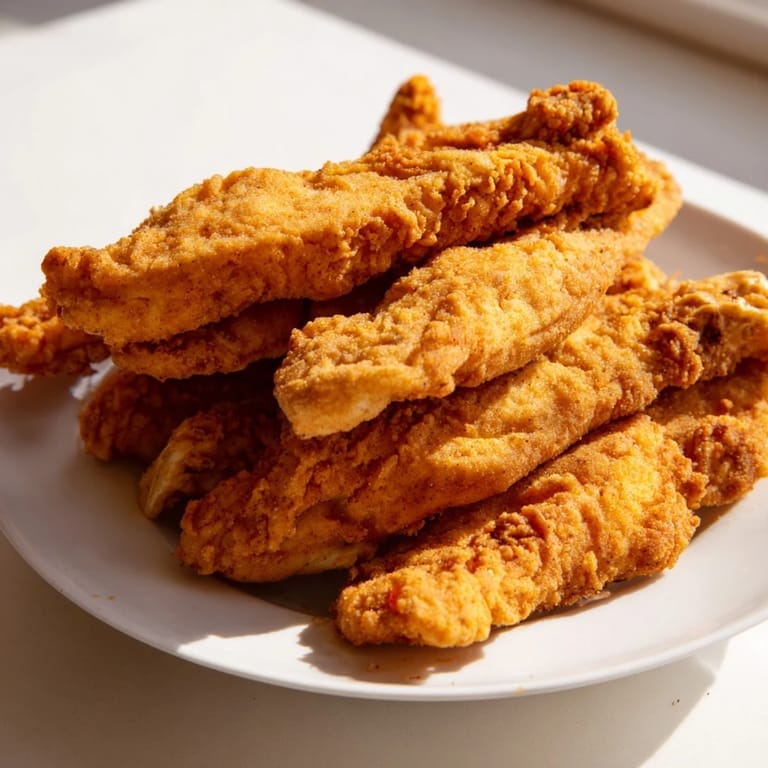
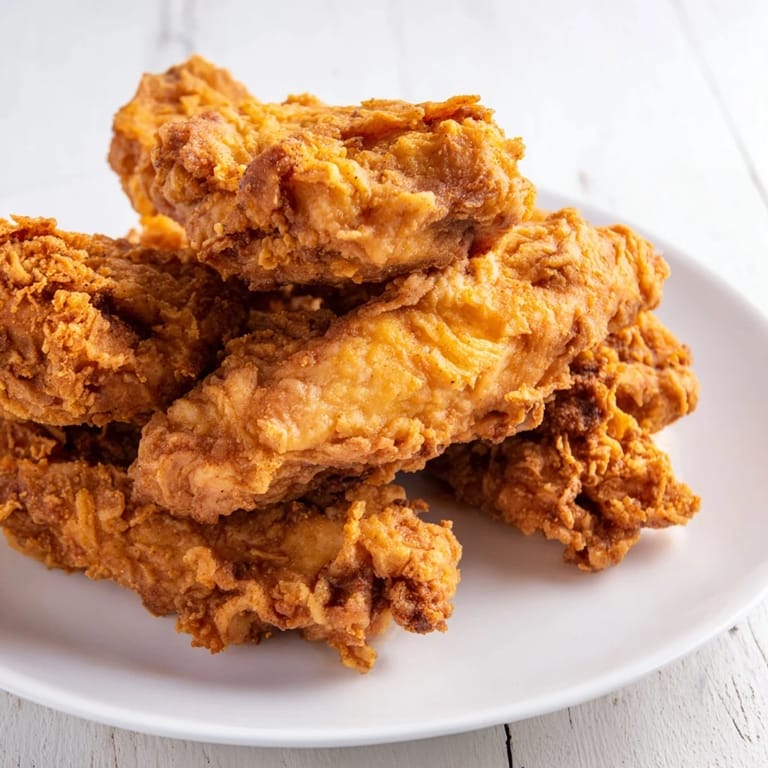
- Carefully lower 3 to 4 tenders into the hot oil. Cook for 3 to 4 minutes per side until deep golden brown and the internal temperature reaches 165°F (74°C). Do not crowd the pan or the oil temperature will drop.
- Drain and serve immediately:
- Transfer cooked chicken to a wire rack or paper towels to drain. Let them rest for just 2 minutes before serving to keep the crust crisp.
 Save
Save My niece declared these better than any restaurant version after trying them at a family reunion. She sat on the back steps eating them straight from the serving platter dipping each piece into three different sauces. That is when I knew this recipe had become something special.
Getting That Perfect Crunch
The baking powder in the flour mixture creates microscopic bubbles in the coating. When the chicken hits the hot oil those bubbles expand and set, creating that irresistible crunch. I learned this trick after years of heavy doughy coatings that slid right off.
Marinating Magic
Two hours is the bare minimum for the buttermilk to work its tenderizing magic. I once marinated a batch overnight and the difference was noticeable—the meat practically fell apart. If you have the time, let it sit in the refrigerator while you are at work or sleeping.
Oil Temperature Secrets
Every time you add chicken to the pan the oil temperature drops. Let it come back up to 350°F between batches. This patience is what separates soggy home attempts from that crispy drive through texture.
- Never put a lid on the pan while frying—steam makes the coating soggy
- Line the cooling rack with foil for easier cleanup but flip it so grease drains through
- Keep the fried chicken warm in a 200°F oven if you need to fry multiple batches before serving
 Save
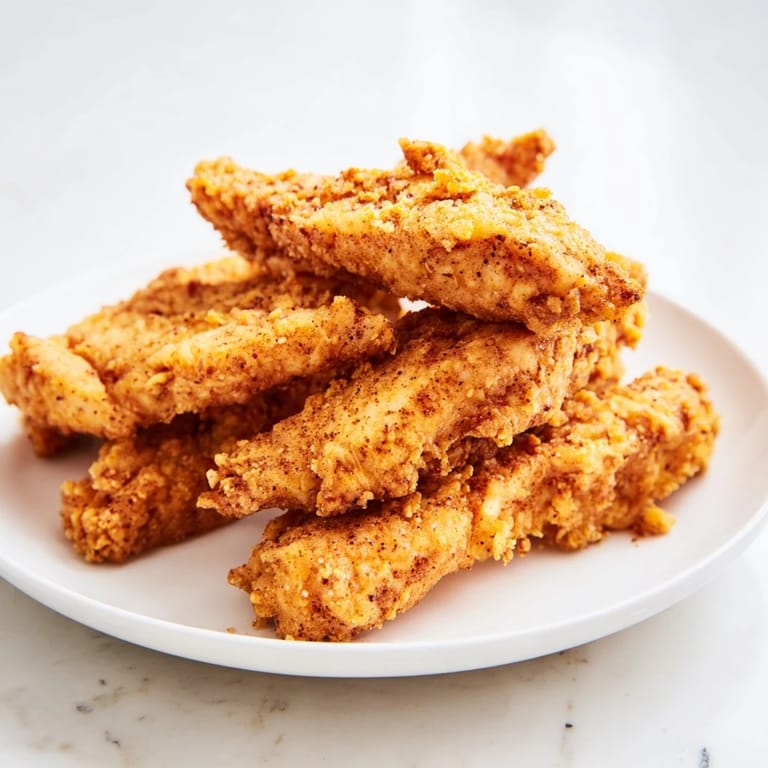
Save These tenders have become my go to for feeding a crowd or curing a bad week. Something about crispy hot comfort food just makes everything better.
Recipe Questions & Answers
- → How long should chicken marinate in buttermilk?
Marinating for at least 2 hours allows the chicken to tenderize and absorb the tangy flavors, resulting in juicier tenders.
- → What oil temperature is ideal for frying?
Maintain the oil at 350°F (175°C) to achieve a crispy coating and thorough cooking without burning.
- → Can I double coat the chicken for extra crunch?
Yes, dipping the chicken back into buttermilk and then flour again before frying creates an extra crispy exterior.
- → How do spices affect the flavor of the coating?
Spices like paprika, garlic, and onion powder add depth and warmth to the crust enhancing overall taste.
- → What dipping sauces complement these chicken tenders?
Honey mustard, ranch, or a spicy hot sauce pair well, balancing the seasoned and crispy texture.
- → Can I substitute the chicken tenders with other cuts?
Boneless, skinless chicken breasts cut into strips work well and cook evenly with this method.