 Save
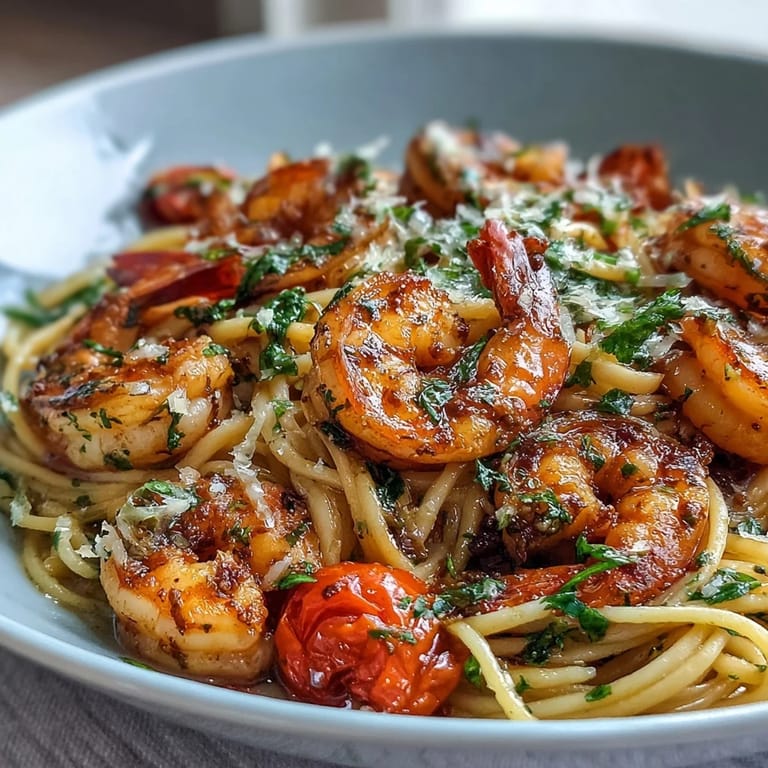
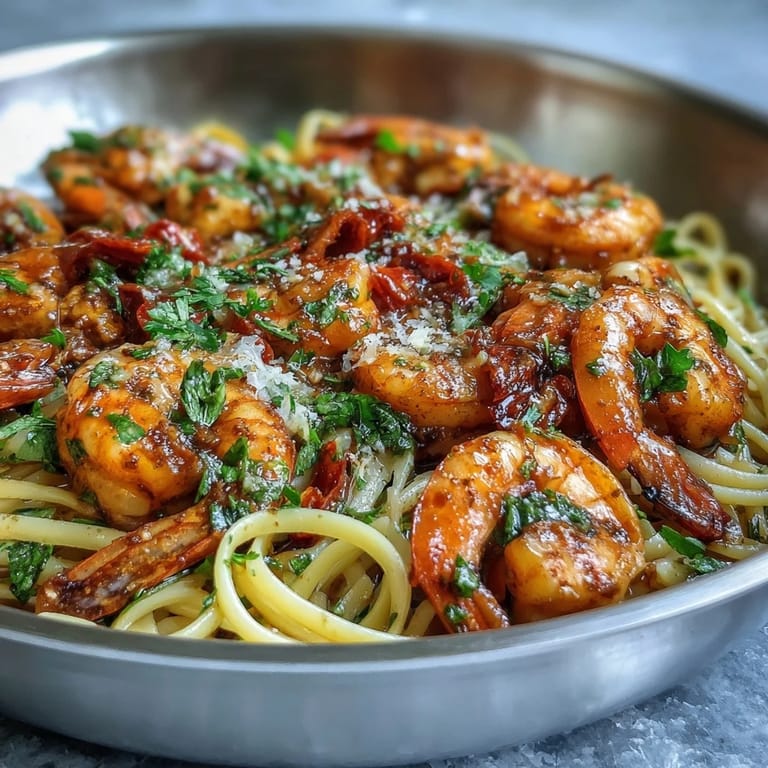
Save There's something about cooking shrimp pasta on a weeknight that makes everything feel a little less hectic. I discovered this one-pot method when a friend casually mentioned she'd stopped using separate pots and pans for her Mediterranean dinners, and honestly, it changed how I approach quick weeknight meals. The magic happens when you let the pasta cook directly in the broth with the shrimp, absorbing all that garlicky, lemony flavor instead of sitting in plain salted water. It's the kind of dish that tastes like you've been in the kitchen for hours, but you're really done in about half that time.
I made this for my partner one spring evening after a particularly long day, and I remember how the smell of garlic and lemon hit us the moment I opened the kitchen door. He kept wandering over to peek at what was happening, drawn by that fragrance, and by the time everything was ready, he was already pulling plates from the cabinet. There's something about a dish that fills your home with warmth and anticipation like that, something that reminds you why cooking for people matters at all.
Ingredients
- Large shrimp, peeled and deveined (1 lb): Fresh shrimp cooks in minutes and adds protein that keeps you satisfied, so don't skimp on quality here.
- Angel hair pasta (12 oz): This delicate pasta soaks up the broth beautifully and cooks faster than thicker shapes.
- Cherry tomatoes, halved (1 cup): They burst slightly as they cook, releasing their juices into the sauce and adding natural sweetness.
- Snap peas, trimmed (1 cup): These stay crisp-tender even with quick cooking, adding a pleasant texture contrast.
- Baby spinach (1 cup): Wilts right at the end, adding iron and a fresh note without any bitterness.
- Zucchini, sliced (1 small): Softens gently in the broth and absorbs the garlic and lemon flavors beautifully.
- Fresh parsley and green onions (1/4 cup plus 2 onions): These finish the dish with brightness and a hint of freshness that makes everything feel spring-like.
- Garlic, minced (4 cloves): The foundation of your sauce—don't let it brown, or it turns bitter instead of mellow and fragrant.
- Extra virgin olive oil (1/4 cup): Use good oil here since you're tasting it directly, not hidden in a longer-cooked sauce.
- Lemon zest and juice (from 1 lemon): The zest adds complexity while the juice keeps everything bright and prevents the dish from feeling heavy.
- Red pepper flakes (1/2 tsp, optional): A whisper of heat that doesn't overpower but adds dimension to each bite.
- Dry white wine (1/2 cup): The alcohol cooks off in minutes, leaving behind a subtle depth that chicken or vegetable broth alone can't quite achieve.
- Chicken or vegetable broth (3 cups): This becomes your pasta water and sauce all in one, so choose something you'd actually taste and enjoy.
- Salt and black pepper: Taste as you go—the broth may already be salty, so you might need less than you'd expect.
- Parmesan cheese and lemon wedges for serving: Optional but transformative, adding richness and that final squeeze of brightness.
Tired of Takeout? 🥡
Get 10 meals you can make faster than delivery arrives. Seriously.
One email. No spam. Unsubscribe anytime.
Instructions
- Start with fragrant heat:
- Pour your olive oil into a large deep skillet over medium heat and let it warm for a moment before adding the minced garlic and red pepper flakes. You'll know it's ready when the garlic softens and fills the kitchen with that unmistakable aroma—usually around 1 minute—but watch it carefully so it turns fragrant instead of brown.
- Coax the vegetables gently:
- Add your cherry tomatoes, snap peas, and zucchini to the garlicky oil, stirring occasionally as they cook down slightly for about 2 to 3 minutes. You're not trying to fully cook them here, just soften them enough that they release their flavors into the oil.
- Build depth with wine:
- Pour in the dry white wine and let it bubble away for a couple of minutes, scraping up any flavorful bits stuck to the bottom of the pan. Then add your broth along with the lemon zest and juice, bringing everything to a gentle boil.
- Introduce the pasta:
- Break your angel hair into halves and stir it directly into the boiling broth, making sure the strands are submerged as much as possible. Cover the skillet and let it cook for 3 to 4 minutes, stirring occasionally to prevent sticking, until the pasta is nearly tender.
- Welcome the shrimp:
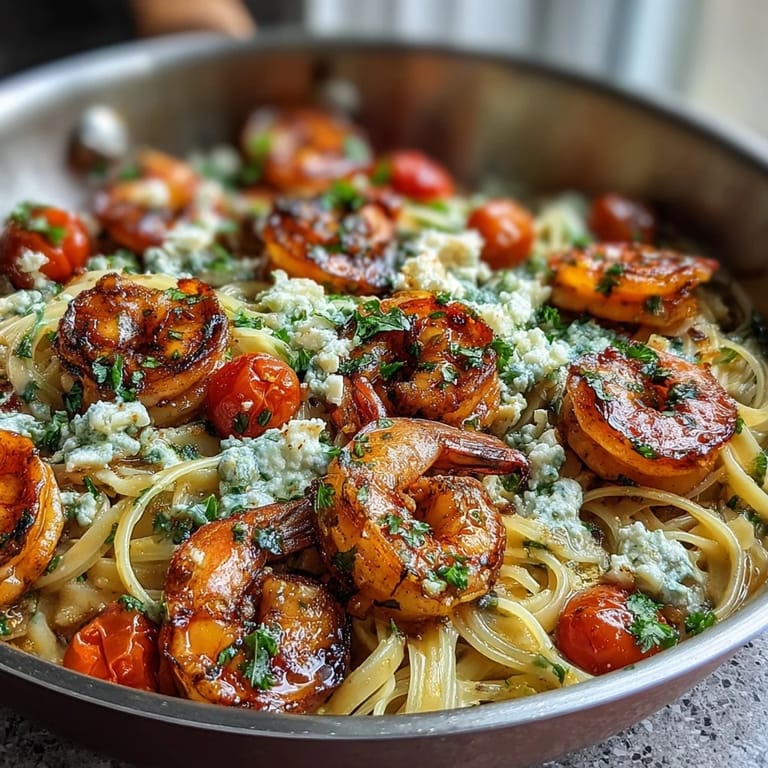
- Scatter your shrimp over the pasta, spreading them in an even layer, then cover again and cook for 2 to 3 minutes until they turn pink and opaque and the pasta reaches that perfect al dente texture. The residual heat will continue softening everything slightly even after you remove it from the stove.
- Finish with freshness:
- Remove from heat and fold in your baby spinach, green onions, and parsley, letting the heat gently wilt the spinach without cooking all the brightness out of the herbs. Taste and season with salt and pepper, remembering that a squeeze of lemon at the table often does more than salt alone.
 Save
Save What I love most about this dish is how it brought pasta night back to being something I actually looked forward to instead of just rushing through. It's become one of those meals I make when I want to feel like I'm cooking something special but don't have the mental space for complexity, and somehow that balance is exactly what makes it perfect.
Why This Works as a One-Pot Meal
The beauty of cooking pasta directly in broth instead of in salted water is that every single strand absorbs flavor as it softens. Instead of having a plain foundation that you then toss with sauce, you're building layers of taste from the moment the pasta hits the liquid. The starch released by the pasta thickens the broth slightly, creating a silky coating rather than a heavy cream sauce, which is why this dish never feels heavy even though it's genuinely satisfying.
Flexibility Without Losing the Thread
Spring vegetables are ideal here, but this dish is forgiving enough to work with whatever looks good at your market. Asparagus, bell peppers, broccoli, or even thin slices of fennel all work beautifully, and swapping them out never feels like you're compromising the dish. The garlic and lemon sauce is strong enough to carry different vegetable combinations without losing its identity, so feel free to cook what speaks to you that day.
The Small Details That Matter
There are a few moments in this recipe where paying attention makes the difference between good and genuinely memorable. Using good olive oil means the finishing oil adds richness rather than just fat, while that lemon zest—the colored part, not the bitter white pith—adds a complexity that zest-free lemon juice simply can't match. These aren't fancy techniques, just small decisions that layer together into something that tastes like you care, because honestly, you do.
- Zest your lemon before cutting it in half, and use a microplane or fine grater so you get those tiny, flavorful bits rather than thick strips that can be chewy.
- Save a bit of the pasta cooking water before you drain it—if your finished dish seems too thick, a splash brings back that silky sauciness.
- Taste before you serve and keep lemon wedges on the table so people can adjust the brightness to their preference.
 Save
Save This one-pot garlic shrimp has a way of turning an ordinary evening into something worth remembering, which is really all any recipe can hope to do. Make it for someone you like sitting across from.
Recipe Questions & Answers
- → How do you keep shrimp tender in this dish?
Cook shrimp just until they turn pink and opaque, usually 2-3 minutes, to avoid overcooking and ensure tenderness.
- → Can angel hair pasta be substituted?
Yes, thin spaghetti or gluten-free angel hair pasta can be used for similar texture and quick cooking.
- → What vegetables complement the flavors here?
Snap peas, cherry tomatoes, zucchini, and baby spinach add freshness and color, balancing the rich garlic lemon sauce.
- → How is the garlic flavor infused throughout the dish?
Minced garlic is sautéed in olive oil at the start, releasing its aroma and flavor to build the sauce base.
- → What wine pairs best with this meal?
A crisp Sauvignon Blanc or light Pinot Grigio complements the bright lemon and seafood notes nicely.
- → Is it possible to make this dish dairy-free?
Omit the Parmesan cheese garnish to keep the dish dairy-free while maintaining its fresh flavors.