 Save
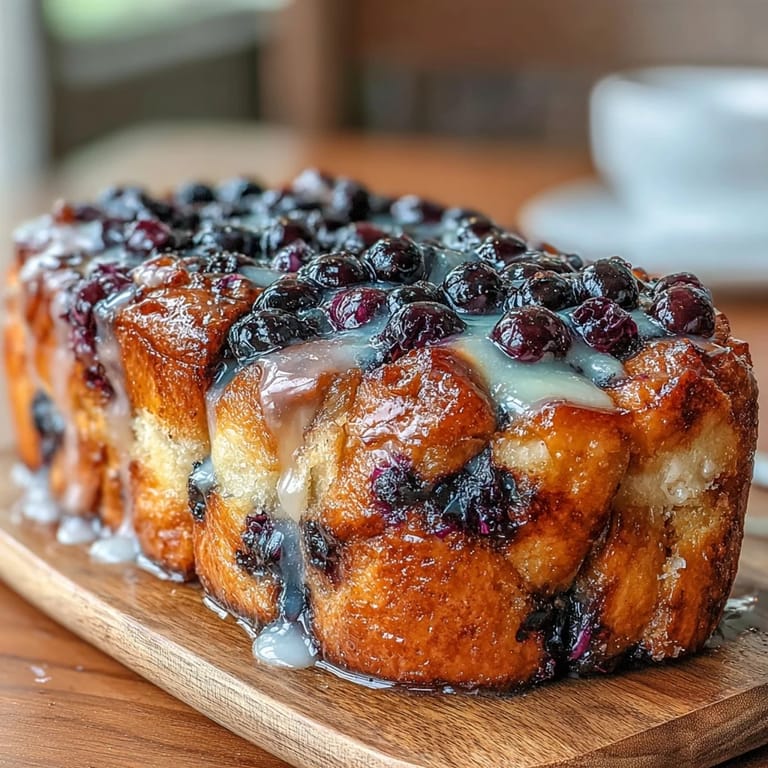
Save There's something about the smell of sourdough baking on a lazy weekend morning that makes everything feel possible. I stumbled onto this lemon blueberry version almost by accident, really—I had leftover starter that needed feeding, fresh blueberries from the farmers market practically begging to be used, and a sudden craving for something that tasted like spring in bread form. The first time I pulled it from the oven, the kitchen filled with this bright, tangy-sweet aroma that had my partner stumbling downstairs before I'd even finished the glaze. It's become the bread I make when I want to feel like I've actually accomplished something before noon.
I made this for a Sunday brunch when my sister was visiting with her new partner, and I watched them both go quiet for a moment after the first bite—that specific quiet that means food just did something right. The bread had cooled just enough that it was still warm, the glaze was still a little sticky, and when they pulled apart those golden squares, the blueberries released this subtle jammy sweetness. It became the thing they asked about for weeks, and honestly, it became the thing I knew I had to perfect.
Ingredients
- All-purpose flour (2 1/2 cups): The foundation of everything; makes sure it's fresh because old flour can affect your rise time.
- Active sourdough starter (1/2 cup), fed and bubbly: This is non-negotiable—a sluggish starter means a sluggish dough, so feed it and wait until it's actively bubbling before you start.
- Granulated sugar (1/4 cup for dough, 1/2 cup for filling): The smaller amount feeds the yeast gently; the larger amount in the filling creates those little caramelized bits that make you close your eyes.
- Whole milk (1/2 cup), lukewarm: Warm enough to wake up the yeast, not so hot that you kill it—if you can hold your finger in it comfortably for 10 seconds, you're good.
- Eggs (2 large), room temperature: Cold eggs are stubborn and won't incorporate smoothly, so pull them out 20 minutes before you start mixing.
- Unsalted butter (1/4 cup softened, 2 tablespoons melted): Softened butter blends into the dough without creating greasy pockets; the melted butter for the filling carries the lemon flavor right into every layer.
- Lemon zest (2 tablespoons finely grated): This is where the brightness lives—use a microplane and don't skimp, or your bread will taste vaguely lemony instead of unapologetically tangy.
- Fresh blueberries (1 cup): They burst slightly during baking and release these tiny pockets of sweet-tart juice that you'll find yourself hunting for with each bite.
- Powdered sugar (1 cup) and fresh lemon juice (2-3 tablespoons): The glaze is thin enough to drizzle but thick enough to stick; whisk it smooth right before drizzling or you'll have grainy spots.
Tired of Takeout? 🥡
Get 10 meals you can make faster than delivery arrives. Seriously.
One email. No spam. Unsubscribe anytime.
Instructions
- Combine the dry and wet ingredients:
- Whisk together your flour, sugar, and salt in a large bowl—this distributes the salt evenly so you don't get salty pockets later. In another bowl, stir the fed starter, warm milk, and room-temperature eggs together until the eggs break down slightly, then pour this into the dry ingredients and mix until there are no dry flour streaks. It'll look shaggy and rough, which is exactly right.
- Incorporate the butter and knead:
- Add your softened butter a few tablespoons at a time, mixing until each addition is fully incorporated before adding more—this takes patience but prevents a greasy dough. Knead by hand or machine for 7–10 minutes until the dough is smooth, elastic, and springs back when you poke it, which is the sign that gluten has developed enough to trap all those beautiful air bubbles.
- Let it rise slowly overnight:
- Cover the bowl with plastic wrap or a damp towel and let it sit at room temperature for 6–8 hours or overnight—the slow rise is where the sourdough flavor develops, so don't rush this or skip to a warm spot. You'll know it's ready when it's roughly doubled and wobbles slightly when you gently shake the bowl.
- Make the lemon sugar mixture:
- Rub the lemon zest and sugar together with your fingers until the mixture looks damp and smells incredible—this releases the lemon oils so they actually flavor everything instead of sitting on top as gritty specs.
- Roll and layer:
- On a lightly floured surface, roll your dough into a 12x18-inch rectangle—use a ruler if you're obsessive like me, or eyeball it if you're more relaxed. Brush melted butter all over, then sprinkle the lemon sugar evenly, and scatter fresh blueberries across the entire surface, leaving maybe a half-inch border so they don't roll out when you handle it.
- Cut and stack strategically:
- Cut the dough into six 3-inch-wide strips, then stack these strips one on top of another—at this point it'll look like a tall, floppy sandwich. Cut this stack into six even squares, which gives you 36 little pillowy pieces, then stand these squares up vertically (cut side up) in your greased loaf pan so when it bakes, they'll puff up and create that gorgeous pull-apart texture.
- Let it puff during the second rise:
- Cover and let sit for 1–2 hours at room temperature—you're looking for the dough to rise above the top of the pan and feel slightly puffy when you gently press it, which means the yeast has created enough gas for a light crumb. This is a shorter rise than the first one because the dough is already alive with yeast activity.
- Bake until golden and cooked through:
- Preheat to 350°F, then bake for 35–40 minutes until the top is deep golden brown and a toothpick inserted into the center comes out clean or with just a crumb or two. If the top is browning too quickly (usually after 20 minutes), loosely cover with foil to protect it while the inside finishes cooking.
- Glaze while it's still warm:
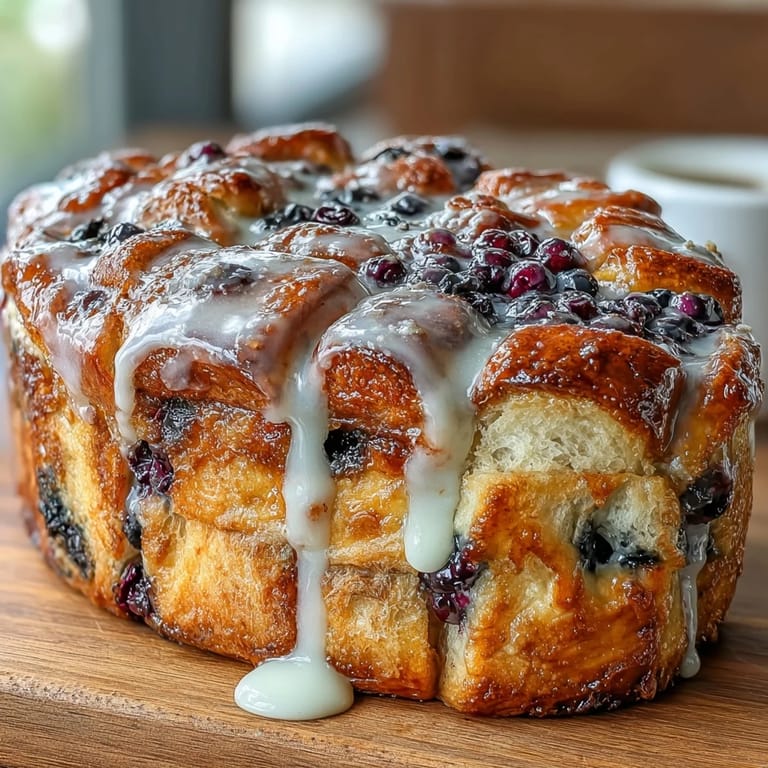
- Let the bread cool in the pan for 15 minutes—this is crucial because it's sturdy enough to remove without falling apart but still warm enough for the glaze to soak in slightly. Whisk your powdered sugar and lemon juice together until smooth, then drizzle it over the warm bread in whatever pattern feels natural, and watch it pool in all the little crevices.
 Save
Save My favorite moment was when my neighbor knocked on the door mid-bake because the smell from our kitchen had drifted through the whole building. We ended up sharing a slice warm with coffee at my kitchen table, and they asked if I did this professionally—the simplest compliment that somehow meant everything.
The Sourdough Difference
Using sourdough starter instead of commercial yeast changes everything about this bread's personality. The slow fermentation develops a subtle tang that makes the lemon feel brighter by comparison, almost like they're having a conversation with each other. You get a crumb that's slightly more complex, a crust with real character, and the kind of flavor that makes you want to take another bite before you've finished swallowing the first one. If you don't have a sourdough starter yet, this is honestly a beautiful reason to begin one—it takes about a week to get to the point where it's reliable, and then you have this living thing that keeps giving you reasons to bake.
Blueberries and Lemon, A Love Story
There's a reason this flavor combination shows up everywhere from pastries to cocktails—lemon's brightness actually makes berries taste more intensely themselves. When blueberries bake, their natural sugars concentrate and they develop this jammy depth that pairs perfectly with the sharp, almost zesty quality of lemon zest. The acid in the lemon juice prevents the berries from tasting cloying, and the tartness in the sourdough brings all three elements into harmony. You're not eating three separate flavors fighting for attention; you're eating one thing that's somehow more delicious than any of its parts.
Making This Bread Work for Your Schedule
The beauty of this recipe is that it fits your life instead of requiring you to rearrange your entire day. You can mix the dough in the evening, let it rise overnight while you sleep, then shape and bake it the next morning while you're having coffee and catching up on the news. Or if you're an early riser, mix it first thing and you can bake by early afternoon—the timeline is flexible because sourdough respects slow fermentation more than exact timing.
- If you need breakfast at a specific time, you can shape the bread the night before, refrigerate it, then let it come to room temperature for 30 minutes before baking.
- Leftover bread reheats beautifully wrapped in foil at 325°F for about 10 minutes, which gives you an excuse to make this more often than you probably should.
- This bread is exactly as good at room temperature as it is warm, so you can make it ahead for a brunch gathering without any last-minute stress.
 Save
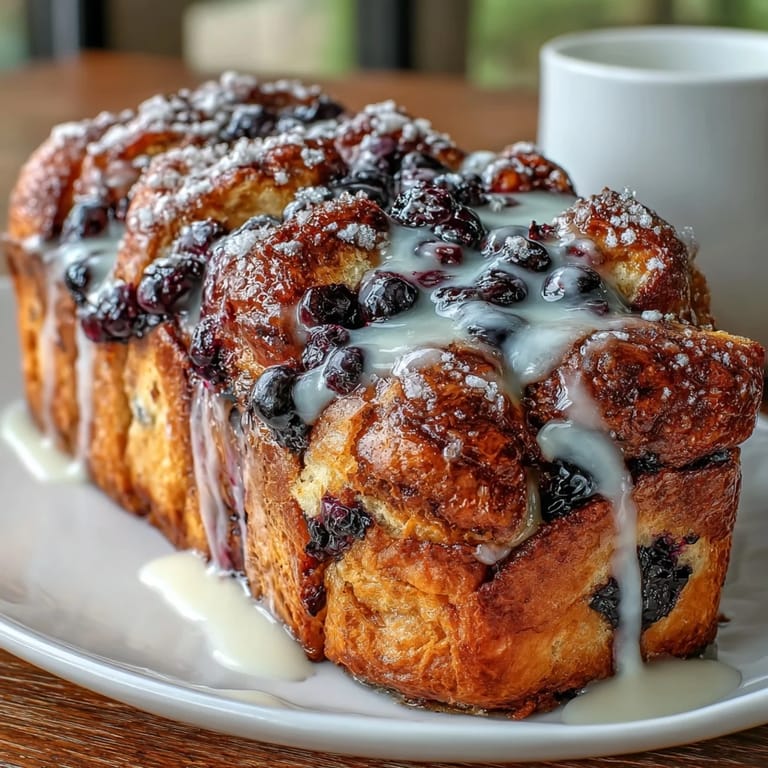
Save This is the bread you make when you want to feel proud of something before most people have finished their first cup of coffee. It's also the bread that somehow tastes like you've been baking for way longer than you actually have.
Recipe Questions & Answers
- → How long should the dough rise?
The dough requires an overnight rise of 6–8 hours at room temperature for optimal texture and flavor.
- → Can frozen blueberries be used?
Yes, frozen blueberries can be used directly without thawing to maintain shape and prevent excess moisture.
- → What is the purpose of stacking the dough strips?
Stacking the cut dough strips creates layers for a pull-apart texture that highlights the lemon sugar and blueberries in each bite.
- → How should the bread be stored and served?
Store leftovers covered at room temperature and reheat gently before serving to restore softness and flavor.
- → What pairs well with this bread?
This bread complements a cup of Earl Grey tea or a refreshing mimosa, enhancing any breakfast or brunch occasion.