 Save
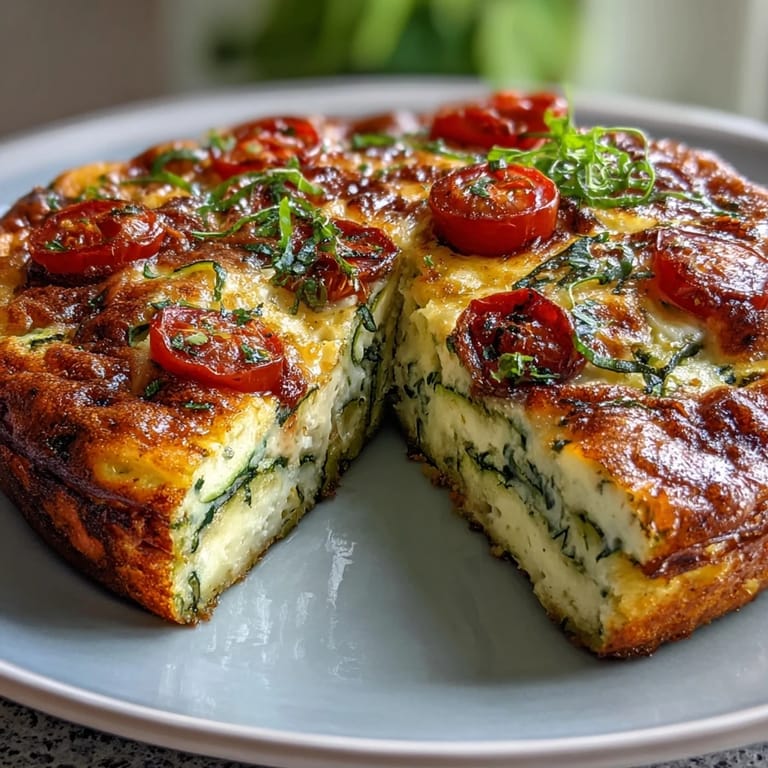
Save My neighbor stopped by one Saturday morning with a bundle of zucchini from her garden—the kind where you turn your back for two days and suddenly they're the size of baseball bats. She mentioned she'd been making this frittata all summer, and something about the way she described it—fluffy, light, done in under thirty minutes—made me want to try it right then. That first bite, still warm from the oven with basil catching the morning light, felt like a small victory: breakfast that actually tastes good and doesn't leave you feeling sluggish.
I made this for my sister during a week she was stressed about a work presentation, and watching her face soften after the first forkful was worth more than any compliment. She asked for the recipe before she even finished eating, which is her highest form of approval. Now it's become our thing—whenever one of us needs a small moment of calm, we text about making this frittata together, even if we're cooking in separate kitchens.
Ingredients
- Medium zucchini, thinly sliced: Thin slices cook evenly and don't turn mushy; I learned to slice them about the thickness of a coin for that perfect tender bite.
- Cherry tomatoes, halved: They burst slightly in the heat and release their sweetness into the eggs, but halving them keeps them from rolling everywhere.
- Small yellow onion, finely chopped: The sweetness balances the fresh herbs; fine chopping means no harsh onion chunks.
- Baby spinach (optional): It wilts down to almost nothing, adding nutrition and a subtle earthiness without changing the flavor profile.
- Large eggs: Six eggs create that light, custardy texture; don't skip or substitute with fewer eggs or the frittata becomes dense.
- Skim milk or unsweetened plant milk: Just two tablespoons keeps it creamy without loading calories; I've used oat milk and it works beautifully.
- Grated Parmesan cheese (optional): It adds a savory depth, but nutritional yeast works if you're avoiding dairy.
- Salt and freshly ground black pepper: Taste as you go because the Parmesan adds saltiness.
- Fresh basil leaves, chopped: Fresh basil is non-negotiable here; it's what makes this feel bright instead of just practical.
- Dried oregano: A half teaspoon is enough to anchor the Italian-inspired feel without overpowering the vegetables.
- Garlic, minced: One clove adds presence without aggression; mince it fine so it distributes evenly.
- Olive oil: Just a tablespoon coats the skillet and adds flavor; nonstick spray works if you're being strict about calories.
Tired of Takeout? 🥡
Get 10 meals you can make faster than delivery arrives. Seriously.
One email. No spam. Unsubscribe anytime.
Instructions
- Heat your oven and skillet:
- Set the oven to 375°F so it's ready when you need it. While it preheats, get a large oven-safe skillet heating over medium with the olive oil—you want it warm but not smoking.
- Start with the onion:
- Add the chopped onion to the warm oil and let it soften for about two minutes, stirring occasionally. This builds a subtle sweetness that anchors everything else.
- Cook the zucchini until just tender:
- Add your zucchini slices and cook for four to five minutes, stirring now and then. You're looking for them to soften but still hold their shape—they should still have a little resistance when you stir.
- Add garlic and let it bloom:
- Stir in your minced garlic and cook for just one minute. This brief moment releases the garlic's aroma without letting it turn bitter.
- Introduce tomatoes and spinach:
- Toss in the halved cherry tomatoes and spinach (if using), cooking for two more minutes until the spinach is wilted and the tomatoes are starting to soften. The vegetables should look bright and fresh, not collapsed.
- Prepare the egg mixture:
- While the vegetables cook, whisk together the six eggs, milk, Parmesan, basil, oregano, salt, and pepper in a bowl. Whisk until the mixture is pale and fluffy, about a minute of genuine whisking.
- Combine and set the edges:
- Pour the egg mixture over the vegetables in the skillet, stirring gently just a few times to distribute everything evenly. Let it cook undisturbed for two to three minutes—this lets the bottom and edges set while the center stays creamy.
- Finish in the oven:
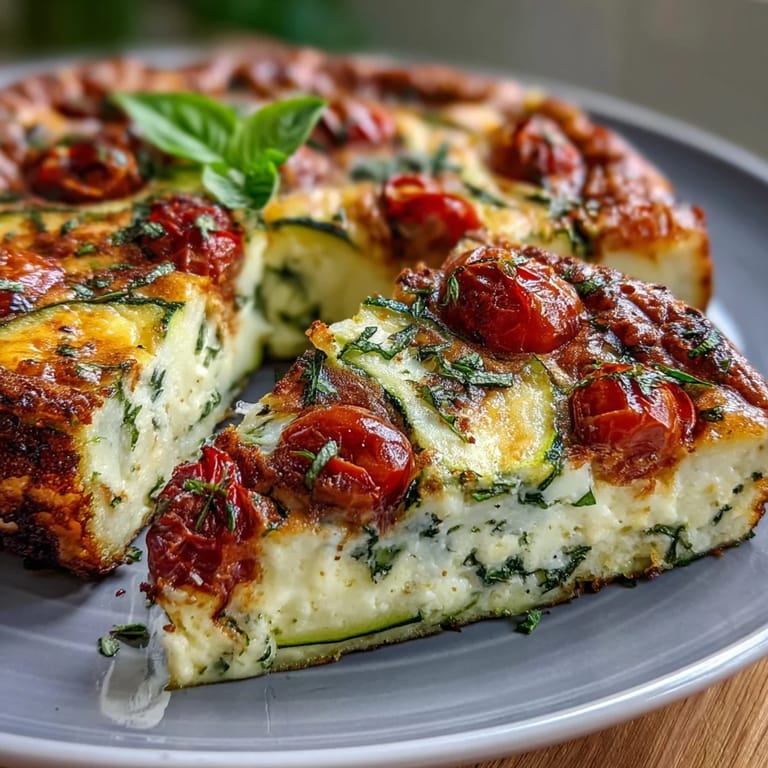
- Transfer the whole skillet to the oven and bake for ten to twelve minutes. The frittata is done when it's puffed and golden, the center is just barely set (it will continue cooking slightly as it cools), and a knife inserted in the middle comes out clean or with just a tiny bit of wet egg.
- Rest and serve:
- Pull it from the oven and let it cool for two minutes—this gives it time to settle and makes it easier to slice. Slice into wedges and serve warm or at room temperature.
 Save
Save There's something about watching a frittata puff in the oven—it rises like a small miracle, and when you pull it out golden and fragrant, it genuinely feels like you've accomplished something. My daughter once asked me to make it for a school potluck, and three parents asked for the recipe. That felt surprisingly good.
Why This Works as a Light Meal
A frittata walks that line between satisfying and light because eggs deliver protein without the heaviness of cream-based sauces. The vegetables add volume and nutrition without adding calories, so you feel genuinely full but not sluggish. It's the kind of meal that works whether you're eating it because you're hungry or because you're trying to be intentional about what goes into your body—no apologies needed either way.
Storage and Reheating
Leftover frittata keeps in the refrigerator for three days, and it's honestly just as good cold as it is warm. If you prefer it warm, a quick thirty seconds in the microwave or five minutes in a low oven brings back that just-cooked texture without drying it out. I've packed cold slices for picnics, and they're somehow even better than I expected—the flavors settle overnight and feel more integrated.
Variations and Swaps
The beauty of a frittata is that it's endlessly forgiving—use whatever vegetables you have on hand, swap herbs based on what's growing or what you're craving, and adjust the dairy to fit your needs. I've made it with red bell pepper instead of tomato, added mushrooms, tried different cheeses, and it's been good every single time. The core of eggs, vegetables, and heat is solid enough to handle your improvisation.
- For dairy-free, skip the Parmesan or use nutritional yeast, which adds a subtle savory note.
- Red pepper flakes scattered on top add heat if you want a spicy version that still feels breakfast-appropriate.
- Serve with a side salad to make it feel like a complete meal, especially if you're eating it for lunch or dinner.
 Save
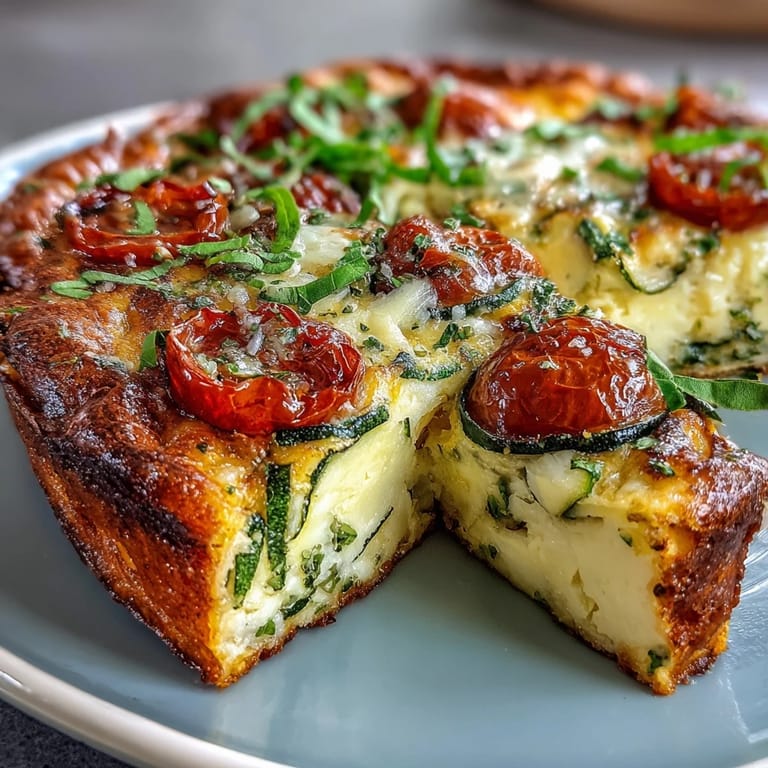
Save This frittata has become my reliable answer to the question of what to make when you want something that tastes intentional but doesn't require you to be a chef. It's one of those recipes that somehow makes cooking feel easier instead of harder.
Recipe Questions & Answers
- → What vegetables are used in this dish?
Fresh zucchini, cherry tomatoes, and optionally baby spinach are used, providing vibrant flavors and textures.
- → Can this be prepared dairy-free?
Yes, simply omit the Parmesan cheese or substitute with nutritional yeast for a savory boost.
- → How long does the cooking take?
This dish requires about 20 minutes in the oven after a brief stovetop preparation of 6 to 8 minutes.
- → What herbs enhance the flavor?
Fresh basil and dried oregano add aromatic notes, complementing the vegetables beautifully.
- → Is this suitable for a low-carb diet?
Yes, with a focus on eggs and vegetables, it has a low carbohydrate content fitting for low-carb lifestyles.
- → Can leftovers be stored?
Leftovers may be refrigerated and enjoyed cold or gently reheated without losing texture.