 Save
Save My neighbor's grandmother taught me this chutney on a humid monsoon afternoon when semi-ripe guavas were piled high at the market. She worked so fast with her hands, no measuring spoons, just knowing exactly when the blend was right by the sound it made in her ancient blender. That first taste hit all at once—bright and tart, creamy from coconut, with a gentle warmth that made me reach for another spoonful of idli immediately. I've made it countless times since, and it never tastes quite the same twice, which is exactly why I keep coming back to it.
I once made this for a breakfast potluck at work, nervous about whether South Indian food would land with the crowd, but three people asked for the recipe before I'd even cleared my plate. One colleague came back days later saying she'd made it at home and her kids actually fought over who got more dosa to eat with it. That's when I realized chutney isn't just a side dish—it's the thing that makes people slow down and actually taste their food.
Ingredients
- Semi-ripe guavas (about 1½ cups, chopped): These have that perfect balance where they're not mushy but still tart enough to shine; fully ripe ones turn the chutney too sweet and lose that signature bite.
- Fresh grated coconut (¼ cup): This is what makes the chutney creamy without any cream—a tablespoon of dried coconut won't give you the same velvety texture, so don't skip the fresh stuff if you can find it.
- Green chilies (1–2, chopped): Start with one and taste as you go; some varieties pack real heat while others are just flavor.
- Ginger (1-inch piece, peeled and chopped): Fresh ginger adds warmth and a slight bite that keeps the chutney from tasting one-dimensional.
- Fresh coriander leaves (2 tablespoons, chopped): These add a grassy freshness that ties everything together and keeps it from feeling heavy.
- Salt (½ teaspoon, or to taste): Start conservative and add more as you blend; it brings out the natural sweetness of the guavas.
- Jaggery or brown sugar (1 teaspoon): Just enough to balance the tartness without making it taste like dessert.
- Lemon juice (1 tablespoon): This is your acidity anchor; don't substitute lime unless you're prepared for a slightly different flavor.
- Coconut oil (1 tablespoon for tempering): The tempering is what separates homemade chutney from the sad stuff in jars, and coconut oil gives it that authentic warmth.
- Mustard seeds (½ teaspoon): They'll splutter and pop when they hit hot oil, releasing their nutty perfume—listen for that sound to know you're on the right track.
- Urad dal (½ teaspoon): These tiny splits turn golden and crispy, adding texture and a toasty note that makes every bite interesting.
- Dried red chili (1): This isn't for heat; it's for color and a subtle smoky note that lingers in the background.
- Curry leaves (6–8): Fresh curry leaves are non-negotiable here; frozen ones lose their fragrance, so use them only if you have nothing else.
- Asafoetida (a pinch, optional): If you use it, you'll taste a deeper savory quality that makes people wonder what the secret ingredient is.
Tired of Takeout? 🥡
Get 10 meals you can make faster than delivery arrives. Seriously.
One email. No spam. Unsubscribe anytime.
Instructions
- Blend your base:
- Toss guavas, coconut, chilies, ginger, coriander, salt, jaggery, and lemon juice into your blender with 2–3 tablespoons of water. Pulse first, then blend until it's smooth but still has a little texture if you like—some people want it completely silky, others prefer a little graininess.
- Transfer and taste:
- Pour everything into your serving bowl and taste it now, before the tempering goes in, so you know exactly what you're working with. Adjust salt or lemon juice if it needs it.
- Heat your oil:
- Pour coconut oil into a small pan and let it get medium-hot; you want it shimmering, not smoking. This is where the magic starts.
- Temper the aromatics:
- Add mustard seeds and listen for them to splutter and pop—that's your signal they're releasing all their flavor. Once they calm down a bit, add the urad dal, red chili, curry leaves, and asafoetida if using.
- Watch the dal turn golden:
- Keep stirring gently until the urad dal takes on a warm golden color, about 30 seconds to a minute. Don't walk away or you'll end up with burnt specks, which tastes bitter.
- Finish strong:
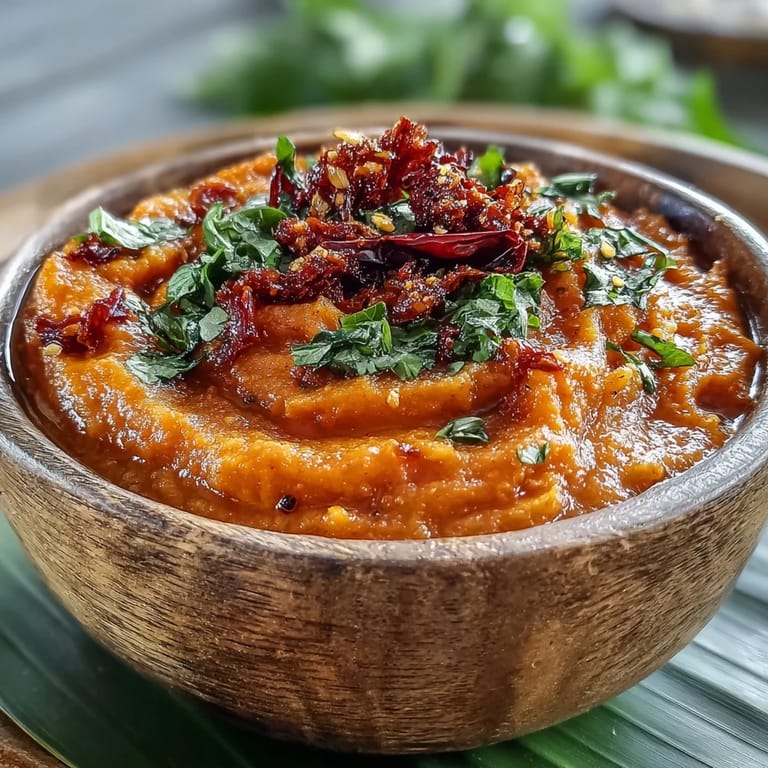
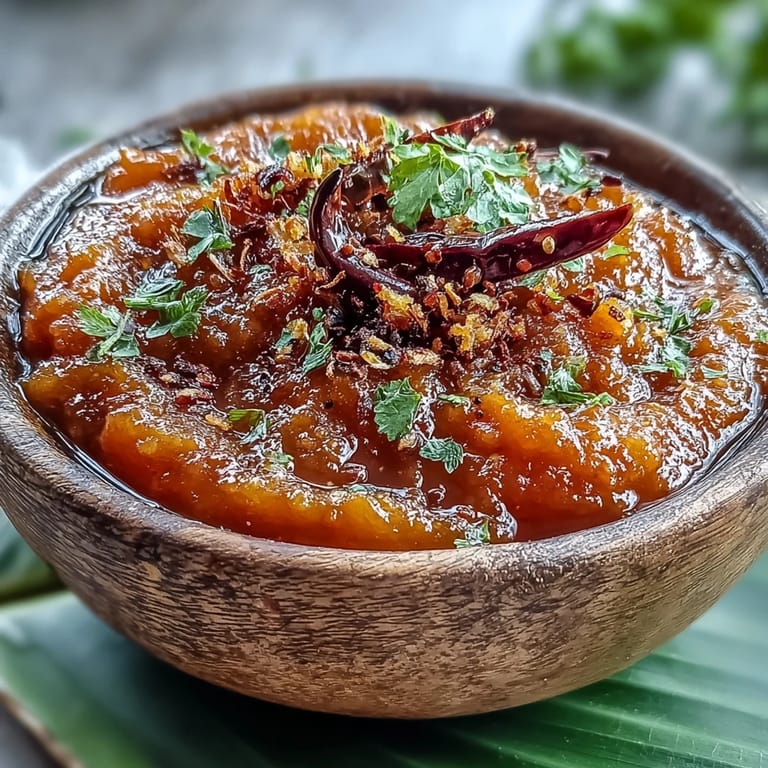
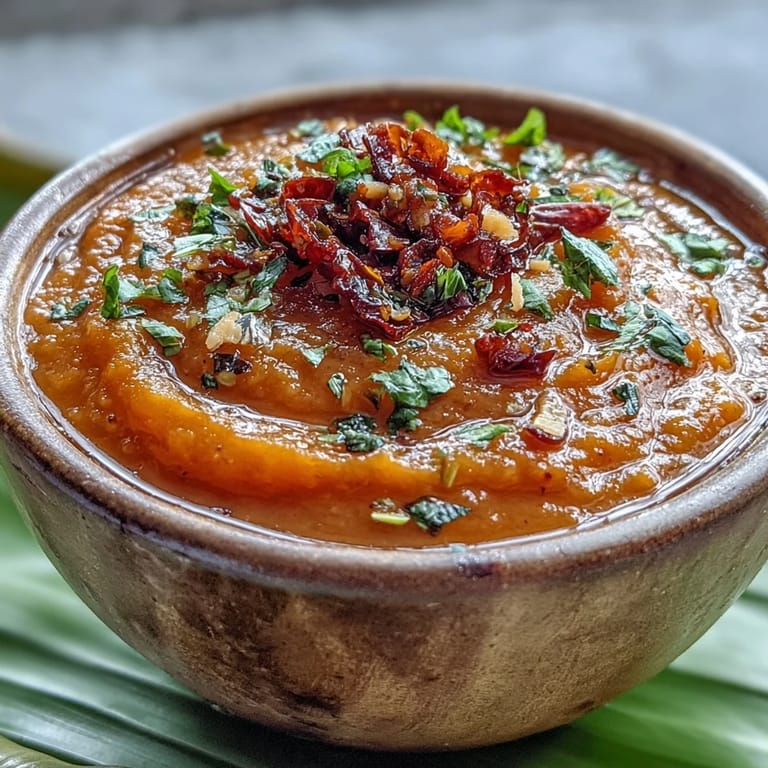
- Pour that hot, fragrant tempering over your chutney and stir it all together. The warmth will slightly soften the chutney while the tempering adds texture and depth.
 Save
Save There's something almost meditative about making this chutney on a quiet morning, watching the mustard seeds dance in the hot oil while the smell of curry leaves fills your kitchen. It reminds me why I love cooking food from my heritage—not because it's trendy, but because every step tells you something if you pay attention.
Choosing and Using Semi-Ripe Guavas
Semi-ripe guavas are the sweet spot, and I learned this through trial and error after ruining batches with fruit that was either too hard or too mushy. The skin should yield slightly when you press it, and the inside should be pale green to yellowish, not that deep pink that means fully ripe. If you can only find ripe guavas, reduce the jaggery by half and add an extra squeeze of lemon to keep things balanced.
The Art of the Tempering
Tempering is an old technique that sounds fancy but is really just blooming spices in hot oil to unlock their essential oils. The coconut oil matters here because it has a lower smoke point than regular oil, which means the spices cook gently rather than aggressively. That difference shows up on your palate—the flavors are more refined, warmer, almost caramel-like instead of harsh.
Storage, Serving, and Variations
This chutney keeps in the refrigerator for up to five days, though it's best eaten fresh while the tempering still has that crispy texture. It's obvious with idli and dosa, but I've spread it on toast with cream cheese, mixed it into yogurt for a quick dip, and even added it to grilled cheese for something unexpected. Beyond the traditional route, it pairs beautifully with rice bowls or even roasted vegetables if you're feeling adventurous.
- If you want it sweeter, use honey instead of jaggery, though it won't have quite the same molasses depth.
- For extra heat, split those green chilies lengthwise to release more capsaicin, or leave one whole for a gentler spice level.
- Fresh coconut is essential, but if you absolutely must use frozen, thaw it completely and squeeze out excess moisture first.
 Save
Save This is one of those recipes that tastes like home, no matter where you're from, because it's really just fruit and spices speaking for themselves. Make it once and you'll find yourself reaching for it again and again.
Recipe Questions & Answers
- → What dishes pair best with guava chutney?
This chutney complements South Indian breakfast staples like idli, dosa, vada, and uttapam. It also works well as a spread for sandwiches or wraps.
- → Can I adjust the spice level?
Yes, reduce green chilies to one or omit for a milder version. Increase to two or three for more heat. The dried red chili in tempering also contributes warmth.
- → How long does this chutney stay fresh?
Store in an airtight container in the refrigerator for 4-5 days. The tempering helps preserve it, but consume within a week for best flavor and texture.
- → What can I substitute for jaggery?
Brown sugar, maple syrup, or honey work as alternatives. Honey adds floral notes but makes it non-vegan. Adjust quantity based on desired sweetness.
- → Is the tempering step essential?
Tempering adds authentic South Indian flavor with crunchy dal and aromatic spices. While the blended base tastes good alone, the tempering elevates the dish significantly.
- → Can I make this chutney ahead?
Prepare the blended base up to a day in advance. Add fresh tempering just before serving for the best texture and flavor. Reheat tempering oil if it solidifies.