 Save
Save My friend Sarah showed up unannounced one Tuesday evening with a container of roasted vegetables and the kind of exhausted energy that comes from working through lunch. She dumped it into a bowl with some leftover rice, scattered a handful of seeds on top, and drizzled something tahini-based over the whole thing. I watched her eat it standing at my kitchen counter, and something about how satisfied she looked made me ask for the recipe. Turns out, this bowl has become my answer to almost every question: what's for lunch, what do I make when the fridge needs clearing, what can I eat that feels both nourishing and exciting.
Last winter, I made this for a potluck where I didn't know many people, and I was genuinely nervous about showing up with a bowl. But halfway through the party, three different people asked me to email them the recipe. One woman came back for thirds and admitted she'd been stress-eating crackers all week and forgot what actual vegetables tasted like. That moment made me realize this isn't just food—it's kind of a small gift you give yourself or someone else when everything feels a little overwhelming.
Ingredients
- Quinoa, brown rice, or farro (1 cup): Use whichever grain calls to you that day—quinoa is quickest and fluffiest, rice is the reliable choice, and farro has a chewier texture that makes the bowl feel more substantial.
- Water or vegetable broth (2 cups): Broth adds a whisper of flavor that makes the whole dish taste more intentional.
- Salt (1/2 tsp): Don't skip this for the grains; it seasons them from the inside out.
- Cooked chickpeas (1 cup): Canned is absolutely fine—just rinse them well to remove excess sodium.
- Cooked lentils, green or brown (1 cup): These add earthiness and hold their shape better than red lentils would.
- Red bell pepper (1), diced: The sweetness balances the earthier elements and the color makes the bowl instantly more appealing.
- Zucchini (1), sliced: It becomes tender and slightly caramelized in the oven, which is when it finally tastes like something worth eating.
- Red onion (1 small), cut into wedges: Roasting mellows out the sharpness and adds a subtle sweetness.
- Cherry tomatoes (1 cup), halved: They collapse into jammy pockets of flavor by the end of roasting.
- Broccoli florets (2 cups): This is where the texture really comes alive—crispy edges with tender florets inside.
- Olive oil (2 tbsp): Good quality here makes a noticeable difference in how the vegetables brown.
- Smoked paprika (1 tsp): This is the secret that makes everyone ask what spice you used.
- Ground cumin (1/2 tsp): It adds warmth without being loud about it.
- Salt and black pepper: Taste as you go—the vegetables need more than you'd expect.
- Fresh parsley (1/4 cup), chopped: Add this right before eating so it stays bright and fresh.
- Avocado (1), sliced: The creamy element that makes each bite feel luxurious.
- Toasted pumpkin seeds (2 tbsp): They add crunch and a nutty flavor that ties everything together.
- Lemon wedges: Squeeze them over the bowl just before eating for a brightness that changes everything.
- Tahini (2 tbsp): This is the dressing's soul—sesame flavor that somehow makes vegetables taste like dessert.
- Lemon juice (1 tbsp): It cuts through the richness and brings everything into focus.
- Water (1 tbsp, plus more as needed): Add gradually until the dressing reaches a drizzle-able consistency.
- Garlic clove (1 small), minced: One clove is enough—you want it to whisper, not shout.
Tired of Takeout? 🥡
Get 10 meals you can make faster than delivery arrives. Seriously.
One email. No spam. Unsubscribe anytime.
Instructions
- Heat your oven and gather your thoughts:
- Get the oven to 425°F and let it fully preheat. This step takes five minutes but makes a difference in how the vegetables brown.
- Start the grains:
- Bring water or broth and salt to a rolling boil in a medium saucepan, add your grains, then drop the heat to low and cover. The timing varies—quinoa needs about 15 minutes, rice needs closer to 40, and farro sits somewhere in between at 25 minutes. You'll know it's done when the liquid is absorbed and the grains are tender.
- Prepare your vegetables for roasting:
- Toss the bell pepper, zucchini, red onion, cherry tomatoes, and broccoli with olive oil, smoked paprika, cumin, salt, and pepper. The spices should coat everything evenly, and you want each piece to get a little oil so it can brown properly.
- Roast until the edges turn golden:
- Spread the vegetables in a single layer on a baking sheet and slide them into the oven for 20 to 25 minutes. Stir them halfway through so they brown evenly instead of steaming. You're looking for some char on the edges and tender insides.
- Warm the legumes if you want:
- While the vegetables roast, you can heat your chickpeas and lentils in a small pan with a splash of olive oil, salt, and pepper for a couple of minutes. This makes them taste less like they came from a can and more like you actually cooked them.
- Whisk the tahini dressing:
- In a small bowl, combine tahini, lemon juice, water, minced garlic, salt, and pepper. Whisk until smooth—it'll look thick at first, but keep whisking and add water by the teaspoon until it reaches a pourable consistency that drapes rather than plops.
- Build your bowls:
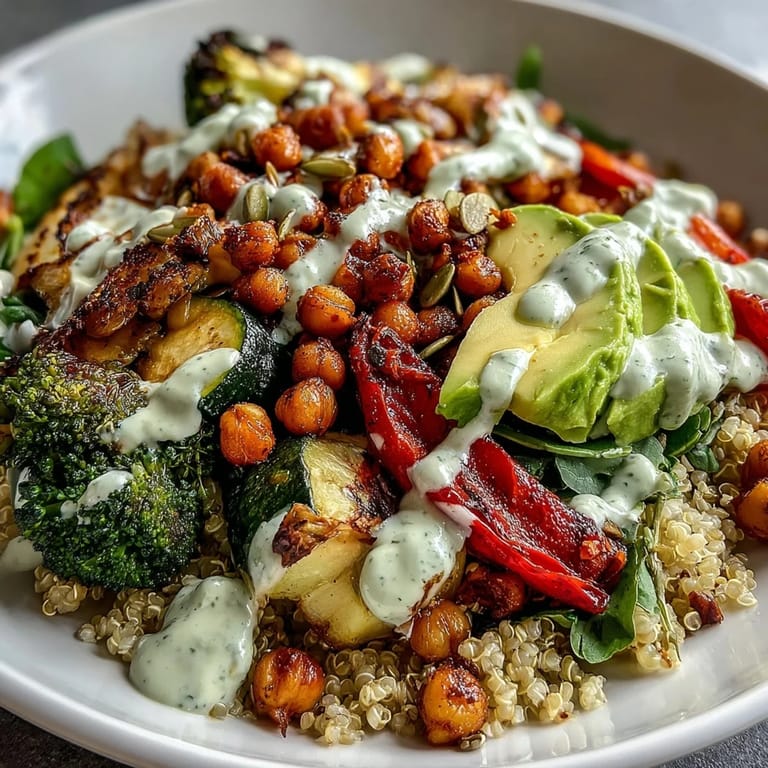
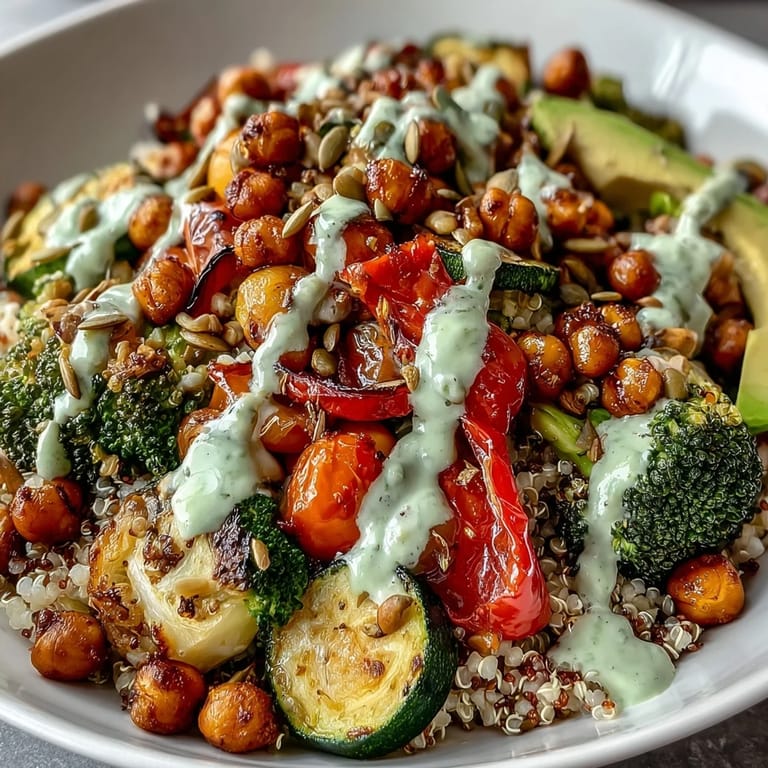
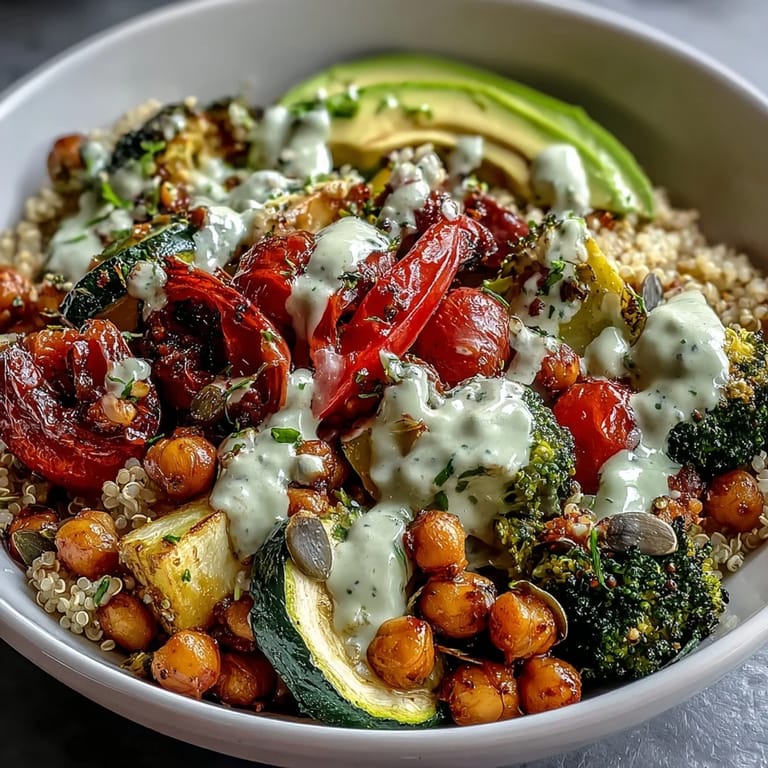
- Divide the cooked grains among four bowls as your base. Top each bowl with roasted vegetables and warm legumes, then drizzle the tahini dressing over everything.
- Garnish and serve:
- Scatter fresh parsley and pumpkin seeds over the bowls, arrange avocado slices on top, and serve with lemon wedges on the side. Let people squeeze the lemon themselves—it makes the whole experience feel more interactive and intentional.
 Save
Save There's something almost meditative about assembling these bowls with someone else, each person layering their own preferences, choosing where the avocado goes, deciding how much tahini dressing they want. My mom tried this recipe once and suddenly understood why I keep making it—she called the next day and said she'd already made it twice more. That's when I knew it had become the kind of recipe that sticks around.
Why Seasonal Vegetables Matter Here
The beauty of this bowl is that it's actually an empty canvas waiting for whatever's fresh at your market. In summer, I throw in early corn, thin green beans, and whatever heirloom tomatoes look good. In fall, sweet potato chunks and roasted cauliflower find their way in. Winter is when I go heavier with root vegetables and add some hearty kale. The spice combination of smoked paprika and cumin plays well with almost everything, so you can trust your instincts about what to roast.
The Tahini Dressing Is Everything
I spent way too long making mediocre dressings for these bowls before realizing that the tahini dressing is actually the whole story. It's creamy without being heavy, it has enough garlic to taste interesting but not aggressive, and the lemon juice makes it taste brighter than you'd expect. The trick is patience—don't rush the whisking, and add water slowly enough that you understand exactly how the texture changes. Once you get it right, you'll find yourself making extra just to have on hand for other bowls, salads, or even as a dip.
Storage, Flexibility, and Last-Minute Wisdom
These bowls actually taste better if you assemble them a few hours before eating—the grains absorb the flavors and everything melds together. If you need to store components separately, the grains and legumes keep in the fridge for up to five days, roasted vegetables last about four days, and the tahini dressing keeps for up to a week. Just don't add the avocado or fresh parsley until you're ready to eat.
- If you're making this for meal prep, keep the avocado separate and add it fresh each time—it prevents browning and keeps that creamy texture intact.
- The pumpkin seeds can be toasted at home in a dry skillet for about three minutes, stirring constantly, until they smell nutty and golden.
- Feta or goat cheese works beautifully if you want to make this non-vegan, crumbling it over the bowl right before serving.
 Save
Save This bowl has become my fallback for almost everything—when I'm not sure what to cook, when I need to eat something that feels good both in my body and on my soul, or when I want to feed people something that looks like I spent hours on it but actually only took 50 minutes. That's the real magic here.
Recipe Questions & Answers
- → Can I make this bowl ahead of time?
Yes, this bowl stores exceptionally well. Keep components separate in airtight containers for up to 4 days. The roasted vegetables actually develop deeper flavor after sitting. Reheat grains and vegetables gently, then add fresh garnishes before serving.
- → What other grains work well in this bowl?
Beyond quinoa, brown rice, and farro, try couscous for quick preparation, barley for chewy texture, or freekeh for nutty flavor. For completely gluten-free options, stick with quinoa, rice, or millet.
- → Can I use frozen vegetables instead of fresh?
Frozen vegetables like broccoli florets work well, though fresh peppers, zucchini, and tomatoes yield better texture. Thaw frozen vegetables completely and pat dry before tossing with oil and spices to prevent sogginess during roasting.
- → How do I prevent the tahini dressing from seizing?
Whisk tahini with lemon juice first until smooth, then gradually add water while whisking continuously. If the dressing thickens or becomes clumpy, add more water one teaspoon at a time until creamy and drizzleable.
- → What protein additions complement this bowl?
The legumes provide substantial protein, but you can add grilled chicken, baked tofu, or a fried egg on top. Crumbled feta or goat cheese also adds protein and creamy richness if not following a vegan diet.
- → Can I roast all vegetables together?
Yes, though timing varies. Dense vegetables like broccoli and carrots need 25-30 minutes, while cherry tomatoes and peppers finish in 15-20 minutes. Add quicker-cooking vegetables to the baking sheet halfway through roasting for even results.