 Save
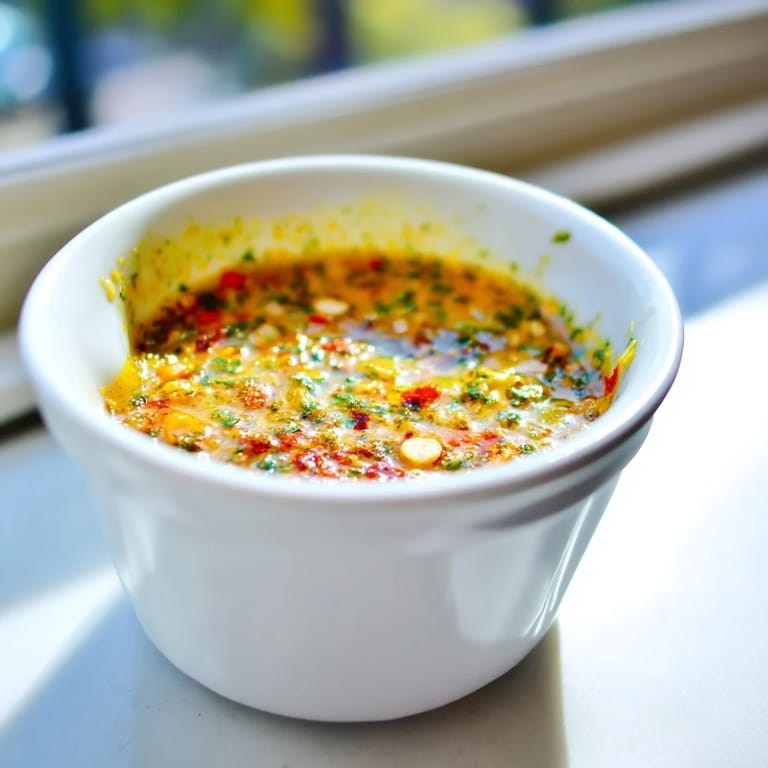
Save There's something about a perfectly seared steak that demands an equally perfect sauce, and cowboy butter was the answer I didn't know I needed until a friend casually mentioned theirs at a backyard cookout. I watched them brush it onto a grilled ribeye and the way it pooled and glistened made me ask for the recipe on the spot. What struck me most wasn't the simplicity—it was how such a short ingredient list could taste so layered and bold, like someone had somehow packed an entire steakhouse into a small saucepan. That night, I went home and made my first batch, and it's been a fixture in my kitchen ever since.
I made this for my sister's dinner party last spring, and she poured it over grilled salmon without asking what it was. Her first bite made her pause, fork halfway to her mouth, and she looked at me with this expression of pleasant shock. That moment—when someone tastes something you made and it hits them as more than they expected—that's what this sauce does. It became the thing everyone asked about that night, and honestly, I loved being able to say it took me less than 15 minutes to make.
Ingredients
- Unsalted butter (115 g / 1/2 cup): Use good quality butter here because it's the foundation—the richness carries everything else.
- Garlic (2 cloves, finely minced): Mince it small so it infuses evenly without turning bitter in the heat.
- Fresh parsley (2 tablespoons, finely chopped): This adds brightness at the end, so always add it off heat to preserve its fresh color and taste.
- Fresh chives (1 tablespoon, finely chopped): A gentler onion flavor that doesn't overpower like raw onion would.
- Fresh thyme (1 tablespoon leaves, or 1 teaspoon dried): The herbal backbone that makes this feel more refined than just butter and lemon.
- Dijon mustard (1 tablespoon): This is your secret weapon—it adds tanginess and helps emulsify the sauce into something silky.
- Lemon zest (1 teaspoon) and juice (2 tablespoons): Together they give you brightness without making the sauce taste exclusively sour.
- Smoked paprika (1/2 teaspoon): This brings a subtle warmth and that hint of smokiness that inspired the cowboy name.
- Crushed red pepper flakes (1/2 teaspoon): A gentle heat that builds as you eat, not an aggressive kick.
- Black pepper (1/2 teaspoon, freshly ground) and kosher salt (1/2 teaspoon): Season to taste—these amounts are starting points, adjust based on what you're serving it with.
- Cayenne pepper (1/4 teaspoon, optional): Only add this if you want genuine heat; some versions skip it entirely.
Tired of Takeout? 🥡
Get 10 meals you can make faster than delivery arrives. Seriously.
One email. No spam. Unsubscribe anytime.
Instructions
- Melt the butter gently:
- Set your saucepan to medium-low heat and watch as the butter transitions from solid to foamy. You want that gentle foam, not a bubbling boil—this is where you start building a delicate flavor foundation.
- Wake up the garlic:
- Stir in your minced garlic and let it sit for about 30 seconds until it smells incredible but hasn't started browning. This is the olfactory moment that tells you everything's going right.
- Build the flavor layers:
- Add the mustard, lemon zest, lemon juice, smoked paprika, red pepper flakes, black pepper, salt, and cayenne if you're using it. Stir this together gently, letting everything marry for 1 to 2 minutes while you keep stirring.
- Finish with fresh herbs:
- Pull the pan off heat and fold in the parsley, chives, and thyme—the residual warmth is perfect for releasing their aromas without cooking away their freshness. Serve immediately while it's still warm and pourable.
 Save
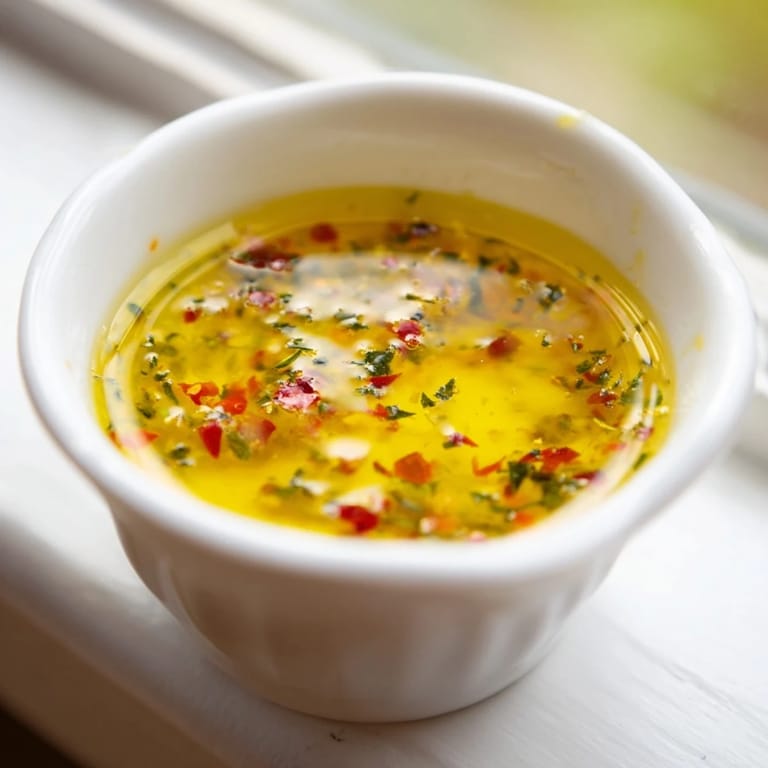
Save What made this sauce truly special for me was realizing it could rescue an otherwise forgettable meal into something memorable. I once threw it on some simple roasted vegetables because I had leftover steak and no plan, and suddenly dinner felt intentional and restaurant-quality. That's when I understood this wasn't just a steak sauce—it was a transformer.
Why This Sauce Became My Secret Weapon
After making this dozens of times, I've learned that the real magic isn't in any single ingredient but in how they work together. The Dijon mustard acts like an unseen hand that brings cohesion to the acidity, the heat, and the buttery richness. The smoked paprika whispers rather than shouts, adding complexity without overwhelming. Most people can't identify what makes it taste so good—they just know it's better than expected.
Making It Your Own
While the base recipe is nearly perfect as written, I've discovered small tweaks that work depending on what I'm serving. Adding a tablespoon of grated Parmesan at the end creates a slightly savory richness that's incredible on grilled corn. Sometimes I reduce the lemon juice by half a tablespoon if I'm using it on delicate fish. The beauty of a 15-minute sauce is that you can make it, taste it, and adjust on the fly.
Serving and Storage Ideas
This sauce is best served warm, right when you make it, spooned over hot food so it clings and melts into every bite. If you make it ahead, gently reheat it in a small pan over low heat, stirring occasionally to bring back its smooth consistency. It keeps in an airtight container in the refrigerator for about three days, though the fresh herbs fade slightly—a reason to keep this recipe in heavy rotation rather than saving it for special occasions.
- Try it on corn on the cob, grilled asparagus, or roasted potatoes for an instant upgrade.
- Brush it onto warm bread right before serving dinner for an unexpected and memorable starter.
- Make a double batch and keep it on hand because once people taste it, they'll ask for it again.
 Save
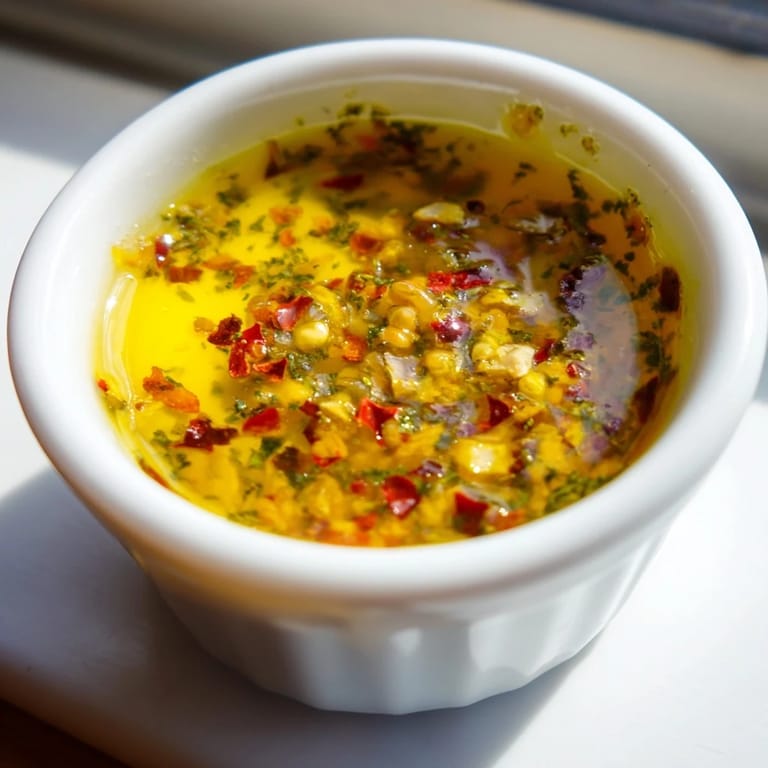
Save This sauce has quietly become one of those recipes I make without thinking, the kind that takes 15 minutes but tastes like care. Every time someone's surprised by how good it is, I'm reminded why I love cooking in the first place—the pleasure of making something simple taste absolutely worth remembering.
Recipe Questions & Answers
- → Can I make this sauce ahead of time?
Yes, you can prepare the sauce up to 2 hours in advance. Keep it in a small bowl at room temperature, or reheat gently in a saucepan over low heat just before serving. Add fresh herbs right before serving to maintain their vibrant flavor and color.
- → What dishes pair best with this butter sauce?
This sauce complements grilled or seared steak beautifully, but also works wonderfully with pan-seared fish, shrimp, roasted vegetables, corn on the cob, and grilled chicken. It's even delicious spread on warm bread or drizzled over baked potatoes.
- → How should I store leftover sauce?
Transfer any leftovers to an airtight container and refrigerate for up to 3 days. You can reheat it gently in a saucepan over low heat, stirring occasionally. The butter may solidify when cold; simply warm it to restore the sauce's smooth consistency.
- → Can I adjust the spice level?
Absolutely. If you prefer less heat, reduce or omit the cayenne pepper and red pepper flakes. For a spicier version, increase the cayenne or add more red pepper flakes to taste. The smoked paprika provides flavor without significant heat, so it's safe to keep at the full amount.
- → What are good substitutes for fresh herbs?
You can use dried herbs instead—use about one-third the amount of fresh herbs called for. Dried parsley, chives, and thyme work well. Alternatively, substitute with fresh tarragon, dill, or rosemary depending on your protein choice.
- → Is this sauce truly gluten-free?
Yes, when using certified gluten-free Dijon mustard and quality butter. Most standard butter and spices are naturally gluten-free, but always check your mustard label as some brands may contain gluten. This makes it a great option for those following a gluten-free diet.