 Save
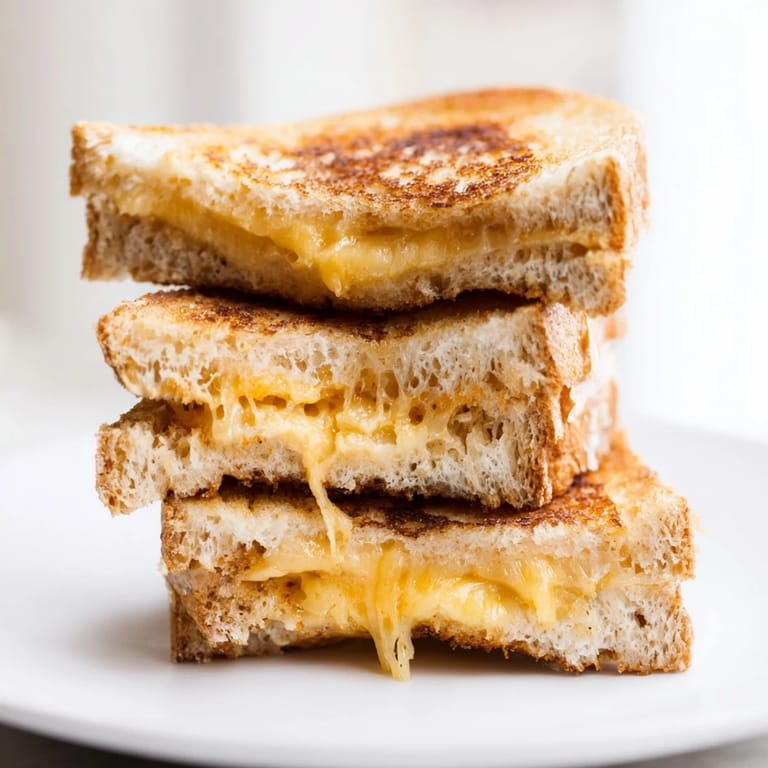
Save There's something about mayo that makes people pause—until they taste what it does to a grilled cheese sandwich. I discovered this by accident years ago when I ran out of butter right before lunch, and my hand was already reaching for the jar on the fridge shelf. That golden, perfectly bronzed crust that emerged from the skillet felt like a small kitchen victory, and the creamy inside proved that sometimes the best discoveries come from improvisation rather than tradition.
I made these for my partner on a rainy afternoon when we both felt too tired to think about dinner, and watching his face light up when he bit into that perfectly melted cheese made the whole thing feel less like cooking and more like showing up for someone. That single moment stuck with me—proof that the simplest meals can be the most meaningful ones.
Ingredients
- White or sourdough bread, 4 slices: White bread gives you a softer crumb that contrasts beautifully with the crispy exterior, while sourdough adds a subtle tang that plays well with melted cheese.
- Cheddar cheese, 4 slices: Use a good melting cheddar—sharp or mild depending on your mood—or swap in Gruyère, Monterey Jack, or fontina if you want to experiment.
- Mayonnaise, 2½ tablespoons: This is your secret weapon; it browns faster and more evenly than butter and adds a subtle richness that sinks into the bread.
- Dijon mustard, 2 teaspoons (optional): A thin spread adds just enough sharp complexity to keep the sandwich interesting without overpowering the cheese.
Tired of Takeout? 🥡
Get 10 meals you can make faster than delivery arrives. Seriously.
One email. No spam. Unsubscribe anytime.
Instructions
- Gather and prepare:
- Lay your bread slices out on a clean counter where you can see everything at once. This setup takes 30 seconds and keeps you from fumbling when things get hot.
- Spread the mayo:
- Using a butter knife or small spreading knife, apply a thin, even layer of mayonnaise to one side of all four bread slices—think of it as a light, protective coating rather than a generous slathering. The layer should be just thick enough to evenly cover the bread surface.
- Add mustard if using:
- On two of the bread slices (these will be the bottom layers), spread a thin line of Dijon mustard on the opposite side from the mayo. This is entirely optional, but it creates a subtle flavor moment when you bite through.
- Build the sandwiches:
- Place two slices of cheese between two bread slices so that the mayo-coated sides face outward and away from the cheese. Repeat with the remaining bread and cheese to create your second sandwich.
- Heat the skillet:
- Set a nonstick skillet or griddle over medium-low heat and let it warm for about a minute. The temperature should feel hot when you hover your hand over it, but not smoking.
- First side down:
- Carefully place each sandwich mayo-side down into the warm skillet, listening for that gentle sizzle. Let them cook untouched for 3–4 minutes until the bottom is deep golden brown and you can smell that toasted, buttery aroma.
- Flip and finish:
- Using your spatula, gently flip each sandwich and cook the second side for another 3–4 minutes, pressing very lightly and occasionally with the spatula to encourage even browning and cheese melting. You'll know it's ready when the bread turns golden and you can see cheese just beginning to peek out the edges.
- Rest and serve:
- Transfer to a plate and let the sandwiches sit for one full minute—this gives the cheese a moment to set so it doesn't run out when you cut. Slice diagonally (because it always tastes better that way) and serve immediately.
 Save
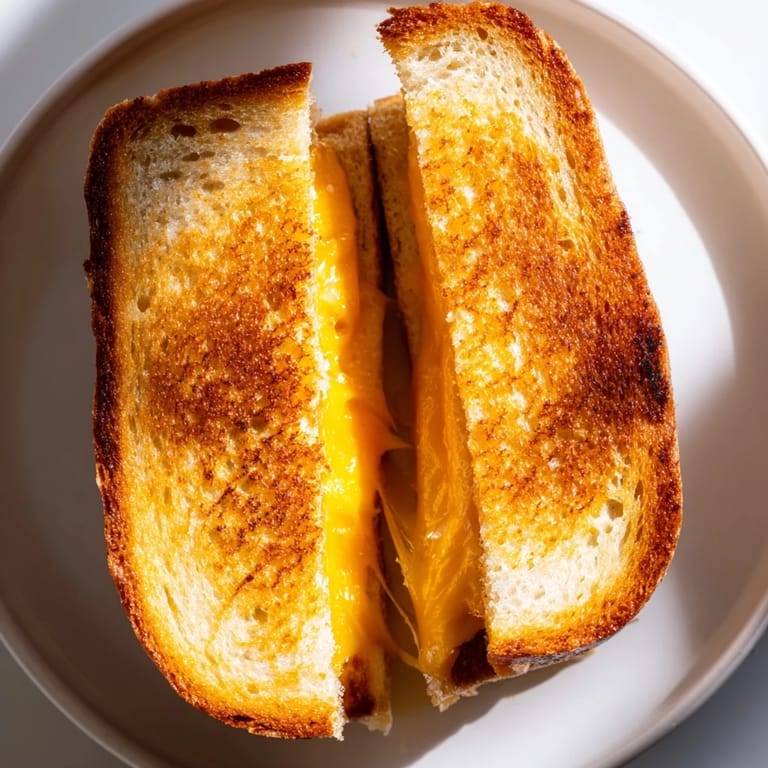
Save The best thing that ever happened to my relationship with grilled cheese was learning that a tiny ingredient swap could transform it from something I made out of habit into something I actually looked forward to eating. Now every sandwich feels like a small act of self-care, which is exactly how simple food should feel.
Why Mayo Changes Everything
Mayonnaise is an emulsion of oil and eggs, and that oil has a higher smoke point than butter, which means it browns faster and more evenly without burning the bread. The egg yolks also add richness and moisture that keeps the bread tender on the inside while the crust gets crispy—something butter alone can't quite achieve. If you've made grilled cheese the traditional way a hundred times and felt like something was missing, this is that missing piece.
Cheese Choice Matters More Than You'd Think
Not all cheese melts the same way, and learning this taught me that grilled cheese is really about the cheese—everything else is just there to support it. Sharp cheddar gives you assertive flavor and a smooth melt, while mild cheddar is more forgiving and lets the bread shine. If you're feeling adventurous, Gruyère adds a subtle nutty depth, Monterey Jack is buttery and reliable, and fontina is almost unfairly creamy.
Making It Your Own
The beauty of this sandwich is that it's a starting point, not a destination. I've made versions with crispy bacon, with thin slices of tomato added right before serving, with caramelized onions that add a sweet depth, and even with a small handful of fresh arugula for brightness. The mayo and cheese are the foundation that holds everything together.
- Try adding sliced tomatoes, caramelized onions, or crispy bacon between the cheese layers for variety without overthinking it.
- Serve alongside tomato soup for the classic pairing, or next to a simple green salad if you want something lighter.
- Store any leftover mayo-spread sandwiches in an airtight container and reheat gently in a low oven rather than the microwave, which makes bread sad.
 Save
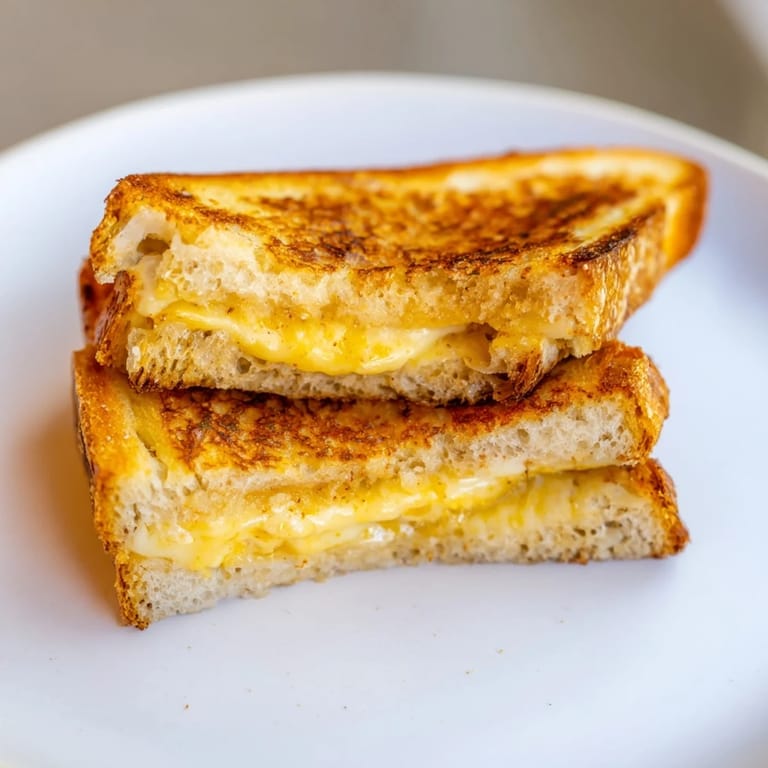
Save This sandwich has taught me that the best recipes aren't always the most complicated ones; they're the ones that show you something you didn't know was possible with ingredients already in your kitchen. Make it today, and I promise you'll be thinking about making it again tomorrow.
Recipe Questions & Answers
- → Why use mayonnaise instead of butter for grilling?
Mayonnaise helps create a perfectly browned, crispy crust due to its oil and egg content, which browns more evenly than butter.
- → Can I use cheeses other than cheddar?
Yes, melting cheeses like Monterey Jack, Gruyère, or mozzarella work well for a gooey interior.
- → How can I add more flavor to this sandwich?
Try spreading Dijon mustard inside or adding extras like sliced tomatoes, caramelized onions, or crispy bacon.
- → What type of bread is best for this sandwich?
White or sourdough bread provides a sturdy base that crisps nicely without becoming soggy.
- → How do I prevent burning while cooking?
Cook on medium-low heat and press gently with a spatula to ensure even browning without scorching.