 Save
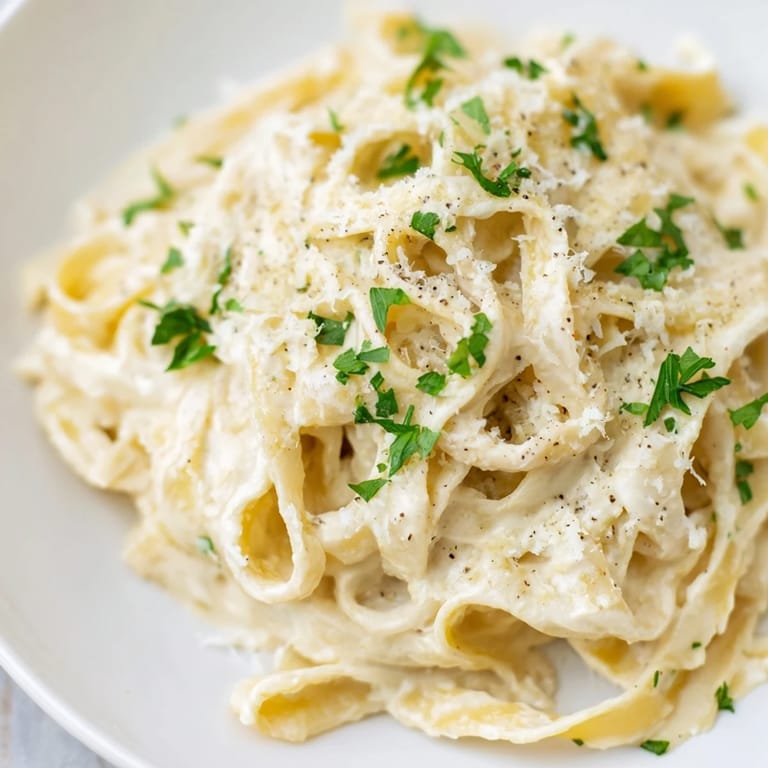
Save I stumbled onto this version of Alfredo by accident one weeknight when I opened my fridge and found a container of cottage cheese staring back at me. I'd bought it for a smoothie I never made, and it was about to expire. Rather than waste it, I wondered if it could replace heavy cream in a quick pasta sauce—and honestly, the result surprised me. The sauce turned out silky and rich without that heavy feeling that sometimes comes after a big bowl of traditional Alfredo. Now it's become my go-to when I want that comfort food feeling but don't want to feel sluggish afterward.
My partner was skeptical when I first made this—cottage cheese in Alfredo sounded suspicious to him. But after one bite, he asked for seconds and wanted to know my secret. There's something satisfying about proving that less conventional ingredients can deliver completely genuine flavor, and watching someone's doubt turn into enthusiasm never gets old.
Ingredients
- Fettuccine or linguine (350 g / 12 oz): The ribbons catch and hold the sauce beautifully, though any pasta you have works fine.
- Low-fat cottage cheese (1 cup / 240 g): The star ingredient that creates creaminess without heaviness—make sure it's blended until completely smooth.
- Milk (1/2 cup / 120 ml): Whole or 2% works; this loosens the cottage cheese into a pourable sauce.
- Grated Parmesan (1/2 cup / 50 g): Use freshly grated if you can; pre-grated varieties sometimes have anti-caking agents that affect texture.
- Unsalted butter (2 tbsp / 30 g): This is where you build flavor by infusing it with garlic before adding the cheese mixture.
- Garlic (2 cloves, minced): Sauté it just until fragrant to avoid bitterness—this is the difference between good and burnt.
- Black pepper (1/4 tsp): Freshly ground makes a real difference in brightness.
- Salt (1/4 tsp): Taste as you go since Parmesan and pasta water both add saltiness.
- Nutmeg (pinch, optional): A tiny amount adds warmth without announcing itself.
- Fresh parsley (2 tbsp chopped) and extra Parmesan: These finishes transform the dish from plain to intentional.
Tired of Takeout? 🥡
Get 10 meals you can make faster than delivery arrives. Seriously.
One email. No spam. Unsubscribe anytime.
Instructions
- Get the pasta going:
- Fill a large pot with salted water and bring it to a rolling boil. The water should taste like the sea, which seasons the pasta as it cooks. Add your pasta and stir occasionally to prevent sticking, cooking until it's tender but still has a slight bite to it.
- Blend your secret sauce:
- While the pasta cooks, combine the cottage cheese, milk, and Parmesan in a blender or food processor. Blend for a minute or two until you have a completely smooth, creamy mixture with no lumps—this is what makes the magic happen.
- Build flavor with garlic:
- In a large skillet, melt butter over medium heat. Add your minced garlic and let it sizzle for about a minute until you can smell it clearly, then stop—you want fragrant, not brown.
- Warm the sauce gently:
- Pour that blended mixture into the skillet with the garlic butter. Add your salt, pepper, and nutmeg if using. Stir softly and let it warm through for 2 to 3 minutes, watching that it never comes to a boil—boiling breaks the creamy texture.
- Bring it all together:
- Drain your pasta, reserving that starchy water you set aside. Toss the hot pasta into the skillet with the sauce, coating every strand. If the sauce feels too thick to coat properly, add that pasta water a splash at a time until it flows like you want.
- Finish and serve:
- Plate immediately while everything is hot, topping with fresh parsley and a generous handful of extra Parmesan.
 Save
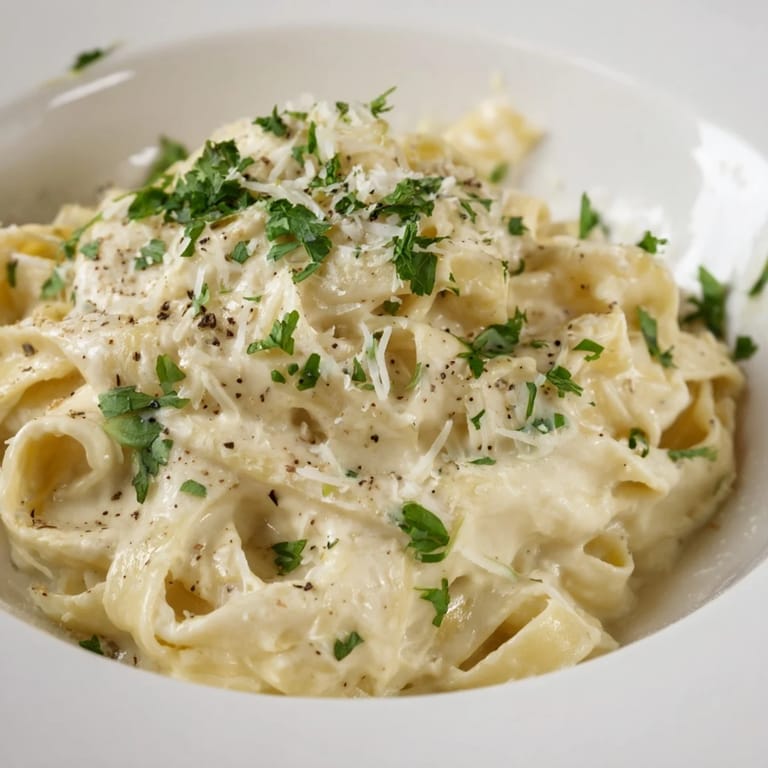
Save The first time I made this for a small dinner party, I was nervous about serving something unconventional, but it became the thing people asked about afterward. One guest asked for the recipe, and when I told her the secret ingredient was cottage cheese, she actually laughed and said she'd never have guessed. That moment made me realize how much we're willing to experiment and trust our instincts when we're in the kitchen for the people we care about.
Why Cottage Cheese Changes Everything
There's something almost magical about how cottage cheese transforms when blended smooth. It has a natural tang that brightens the dish, plus it delivers creaminess without the dairy heaviness of cream. I've learned that this same trick works for other sauces too—it's become part of my quiet kitchen wisdom, the kind of thing you discover and then keep using because it actually works.
Making It Your Own
This recipe is a canvas, really. Some nights I'll stir in lemon zest right at the end for sharpness, other times I sauté mushrooms separately and fold them in. My neighbor adds cooked chicken and calls it complete; my sister made it with steamed broccoli and said she felt like she'd discovered a healthy hack. The base is strong enough to support whatever direction your mood or what's in your fridge is taking you.
Small Moments That Matter
There's something quiet and good about standing at the stove for twenty minutes and turning simple things into dinner. You notice small details—the smell of garlic hitting the butter, the way the pasta water clouds when you stir, how fast the sauce changes from thick to silky. These kitchen moments are where recipes stop being instructions and become rituals you look forward to.
- Keep your pasta water handy in a separate bowl so you can adjust sauce consistency without hunting for it.
- If you're making this for guests, you can blend the cottage cheese mixture ahead of time, then warm and combine everything while the pasta cooks.
- Taste the sauce before plating and add a pinch more salt or pepper if needed—you're the final say in how it tastes.
 Save
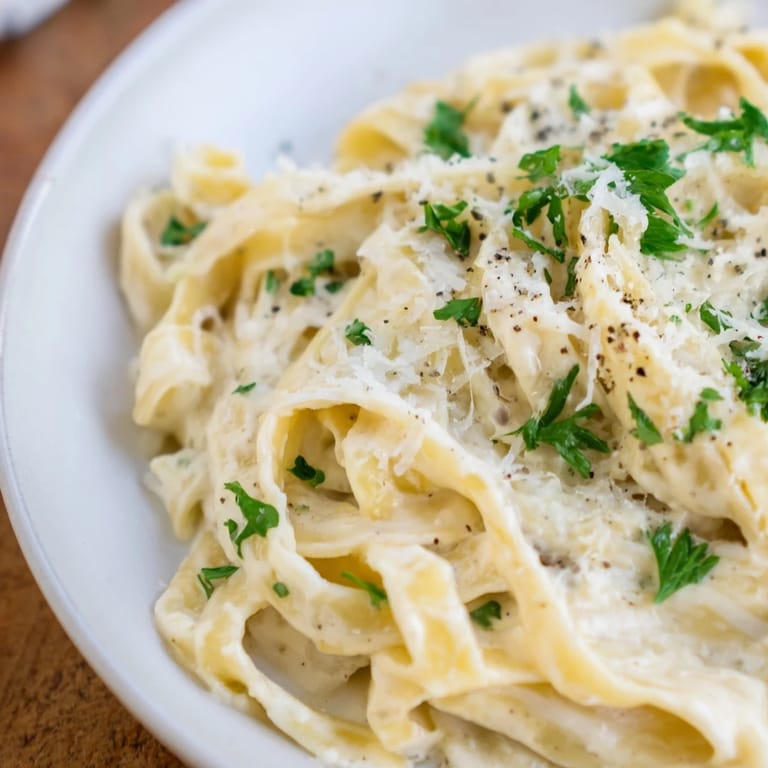
Save This dish has taught me that the best recipes aren't always the most complicated ones—sometimes they're the ones born from a nearly-expired ingredient and the willingness to try something different. It's become the pasta I make when I want comfort without the weight, and every time someone discovers it's made with cottage cheese, I get to watch that same moment of pleasant surprise happen all over again.
Recipe Questions & Answers
- → Can I use gluten-free pasta instead?
Yes, gluten-free pasta works well, making this dish suitable for gluten-sensitive diets without compromising texture.
- → What makes this sauce creamy without heavy cream?
Cottage cheese blended with milk and Parmesan creates a smooth, creamy texture that mimics traditional Alfredo sauce.
- → How do I prevent the sauce from becoming too thick?
Reserve pasta cooking water and add it gradually to the sauce until you reach the desired consistency.
- → Can I add protein to this dish?
Yes, cooked chicken or steamed broccoli are great additions for extra protein and nutrition.
- → What is the best way to enhance the flavor of this dish?
Add a pinch of lemon zest or sautéed mushrooms for additional depth and brightness.
- → Is this suitable for vegetarians?
Yes, as long as Parmesan cheese used is vegetarian-friendly; always check the label to confirm.