 Save
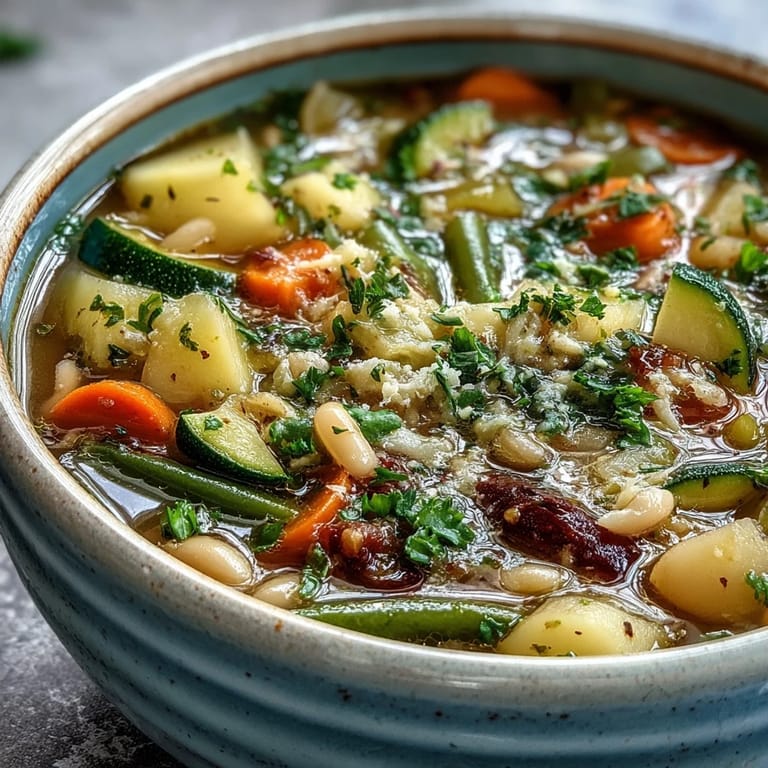
Save The simmering pot of minestrone on my stove feels like an old friend welcoming me home. I discovered this recipe during a particularly rainy spring when the garden was bursting with vegetables and I needed something to warm us from the inside out. My Italian neighbor caught the aroma wafting from my kitchen window and knocked on my door, wooden spoon in hand, to suggest adding a Parmesan rind—a game-changing addition that's become my signature touch. Now this colorful soup signals the changing seasons in our home, gathering everyone to the table with its fragrant promise.
Last winter when my sister was recovering from surgery, I packed quart containers of this minestrone for her freezer. Each time she heated a portion, she would text me a photo with increasingly creative emoji combinations. The day she sent a simple message—just heart, spoon, better—I knew she was truly on the mend. Food has always been our love language, and this soup became our wordless conversation during those difficult weeks.
Ingredients
- Olive oil: Use a good quality extra virgin olive oil here, as it forms the foundation of flavors—I learned from my Italian cooking class that the olive oil you use at the beginning of a recipe matters just as much as what you might drizzle on at the end.
- Seasonal vegetables: The beauty of minestrone is its adaptability to whatever is fresh and in season—my summer version bursts with zucchini and green beans while winter calls for heartier root vegetables and kale.
- Cannellini beans: These creamy white beans give the soup substance and protein—I keep several cans in my pantry at all times for impromptu soup emergencies.
- Small pasta: Tiny shapes like ditalini or elbows are traditional, though I once used broken spaghetti in a pinch and discovered my kids actually preferred it that way.
- Parmesan rind: This optional ingredient might seem strange, but it infuses the broth with an incredible savory depth that cant be achieved any other way—save your rinds in the freezer specifically for soup day.
Tired of Takeout? 🥡
Get 10 meals you can make faster than delivery arrives. Seriously.
One email. No spam. Unsubscribe anytime.
Instructions
- Build Your Flavor Base:
- Heat the olive oil in a large pot until it shimmers, then add your diced onion, carrots, and celery. This trio creates what Italians call soffritto, the aromatic foundation that makes your kitchen smell like heaven as they soften and release their flavors.
- Layer In The Vegetables:
- Once your base vegetables have softened, add the garlic, zucchini, potato, and green beans. Listen for that wonderful sizzle as the fresh vegetables hit the hot oil, releasing their first burst of aroma.
- Create The Broth:
- Pour in those diced tomatoes, watching as they immediately turn everything a beautiful rusty red. Add the cannellini beans, vegetable broth, herbs, and that magical bay leaf, then bring everything to a gentle boil.
- Simmer Patiently:
- Lower the heat, cover, and let everything bubble away gently for about 20 minutes. This is when the magic happens—the vegetables soften, the flavors mingle, and the broth becomes infused with herby goodness.
- Add The Pasta:
- Stir in your chosen pasta shape and cook uncovered until al dente. Watch carefully here—the pasta will continue cooking in the hot broth, so you want to catch it just before its perfectly tender.
- Finish With Freshness:
- Remove that bay leaf, then add your leafy greens and watch them wilt into the hot soup. The vibrant green color signals youre almost ready to enjoy your creation.
- Season And Serve:
- Taste the broth and adjust the salt and pepper—soup usually needs more salt than you think. Ladle into bowls, scatter with fresh parsley, and offer the Parmesan for everyone to add their desired amount.
 Save
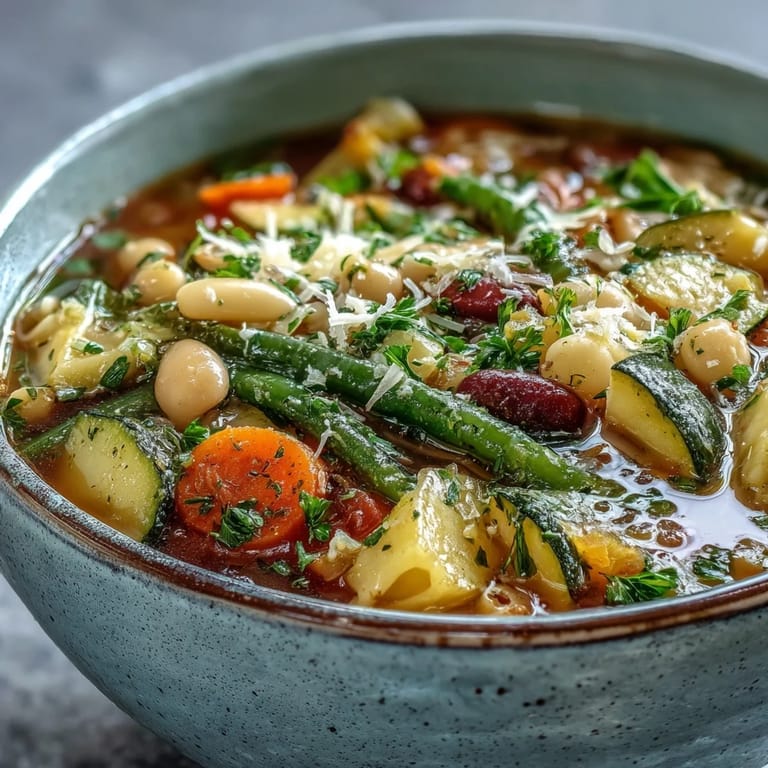
Save The first time my picky nephew tried this minestrone, I held my breath as he cautiously spooned a bite into his mouth. After a thoughtful pause, he declared it worthy of his dinosaur bowl—the highest culinary honor in his five-year-old world. Now whenever he visits, he marches into my kitchen asking for dinosaur soup, and I know exactly what he means. Sometimes the best family traditions start with something as simple as vegetables in broth served in the right container.
Seasonal Adaptations
Minestrone follows the rhythms of the garden, transforming with each season into something new yet familiar. In spring, I lighten it with tender asparagus, fresh peas, and delicate herbs. Summer calls for ripe tomatoes, zucchini, and basil harvested moments before cooking. Autumn brings butternut squash and kale, while winter welcomes hearty cabbage and root vegetables that simmer slowly on cold afternoons. The soul of the soup remains consistent while its expression changes with whats available—a culinary lesson in flexibility Ive applied to many aspects of life.
Making It A Meal
Though satisfying on its own, minestrone welcomes thoughtful accompaniments that elevate it from soup to feast. A crusty loaf of ciabatta torn into rough chunks makes the perfect vehicle for capturing the last drops of broth from your bowl. For unexpected delight, try serving it with a simple bruschetta topped with ricotta and a drizzle of good olive oil. When feeding a crowd, I often prepare a platter of antipasti—olives, roasted peppers, and thinly sliced salami—allowing guests to create their own perfect combination of flavors alongside their soup.
Storage And Reheating
One of the greatest gifts of minestrone is how it improves with time as the flavors meld and deepen. After cooling completely, transfer to airtight containers and refrigerate for up to four days or freeze for up to three months for future meal emergencies. The texture of some vegetables might change slightly after freezing, but the flavor remains wonderful.
- When reheating, add a splash of fresh broth or even water if the soup has thickened too much during storage.
- A squeeze of lemon juice just before serving refreshes refrigerated soup, bringing back the brightness that might have mellowed.
- Consider adding a handful of fresh herbs to each reheated portion—it tricks your senses into experiencing the soup as freshly made.
 Save
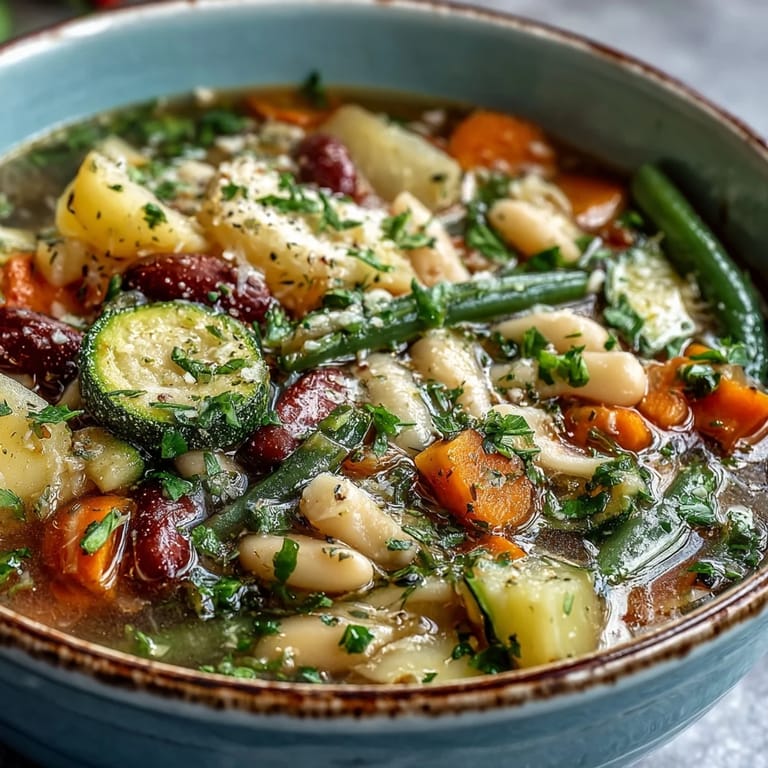
Save This minestrone is more than just a recipe in my collection—its become a way of cooking and living with the seasons. Each bowl carries the story of whats growing nearby, whats available, and what your body needs at this moment.
Recipe Questions & Answers
- → What vegetables are best for minestrone?
Traditional minestrone includes onions, carrots, celery, zucchini, potatoes, and green beans. You can customize with seasonal vegetables like cabbage, peas, or Swiss chard based on what's available.
- → Can I make this gluten-free?
Yes, simply substitute gluten-free pasta for the regular pasta. All other ingredients, including the vegetables, beans, and broth, are naturally gluten-free.
- → How long does minestrone soup last?
Stored in an airtight container in the refrigerator, minestrone keeps for 4-5 days. The flavors actually develop and improve over time. You can also freeze it for up to 3 months.
- → What type of pasta works best?
Small pasta shapes like ditalini, elbow macaroni, or small shells work perfectly because they're easy to scoop with a spoon. Avoid long noodles that are difficult to eat in soup.
- → Can I use dried beans instead of canned?
Absolutely. Soak 1 cup of dried cannellini beans overnight, then cook them separately until tender before adding to the soup. This adds about 2 hours to the preparation but yields excellent results.
- → What can I serve with minestrone?
Crusty Italian bread or garlic bread is perfect for soaking up the flavorful broth. A simple green salad with balsamic vinaigrette complements the soup nicely. For a traditional Italian touch, serve with a glass of Chianti.